How to Price Your Home to Sell in Prince William County: The Strategy Behind the Right List Price

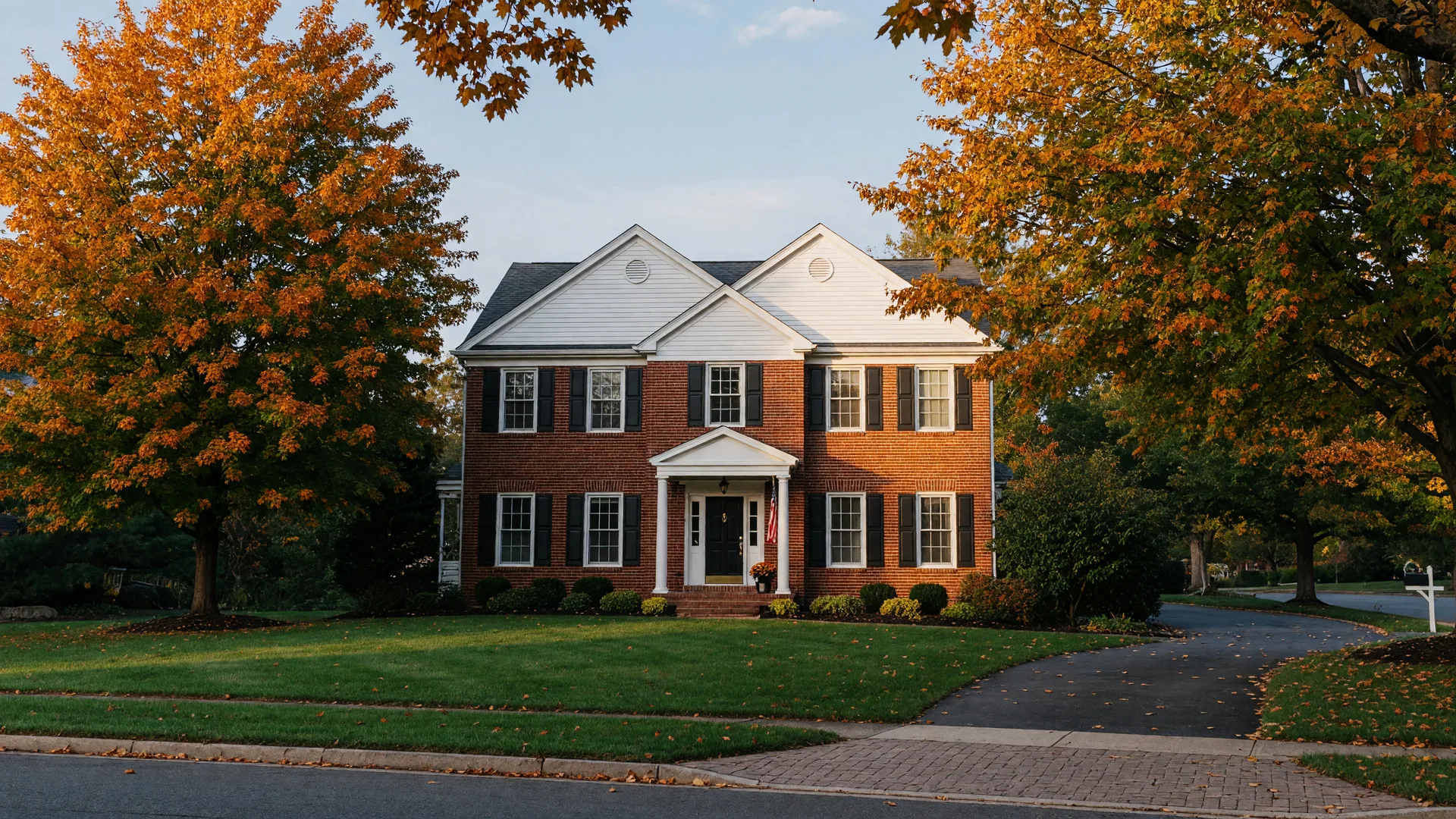
The list price is the single most consequential number in a Prince William County home sale, and in October 2026 it matters more than it has in years. With the 30-year mortgage averaging 7.40% and county inventory up 31.6% from a year ago, buyers have options, and they are taking their time. The homes that sell quickly in this market are almost always the ones priced correctly on day one. Here is how I build a pricing strategy for sellers across Manassas, Manassas Park, and Prince William County, and why the right number protects your equity better than an ambitious one.
Why Pricing Matters More in Prince William County Right Now
The math has shifted. Freddie Mac's 30-year fixed mortgage averaged 7.40% for the week ending October 8, up from 6.30% a year earlier, and every percentage point of rate raises the monthly payment a buyer can qualify for. Meanwhile, Bright MLS data reported through the Colgan Team put Prince William County's August active listings at 882, up 31.6% year-over-year, with homes averaging 25 days on market. More inventory plus higher rates equals a more selective buyer. Roughly 28% of active listings in Virginia had taken at least one price reduction in early 2026, per HousingWire data cited by the Jamil Brothers team, and that share has stayed elevated through the year. In a market like this, the list price is not a wish about what your home is worth. It is a positioning decision about how your home competes.
What the Data Says About Prince William County Pricing
The county data tells a clear story. Prince William County's August median sold price was $599,900, up 5.2% year-over-year, and homes have been selling at or very near their list price: the sold-to-list ratio ran about 99% in February 2026 and reached roughly 100% in March, with the median climbing from $569,000 in February to $593,500 in March and about $599,450 by May. Price per square foot has run roughly $250 to $260 depending on the source and month. That is the value story that keeps drawing buyers priced out of Fairfax, where the August median was $768,000.
Here is how I turn those numbers into a price for one specific home. I pull every closed comparable from the last 90 days in the same subdivision or feeder-school pattern, not just the same ZIP code. I adjust for condition, updates, lot size, and finishes. I study what is currently for sale, because that is your real competition, and I study what went under contract, because that shows what buyers are actually paying today. A renovated kitchen in a Wellington colonial prices differently from a dated one down the street, and the data has to reflect both.
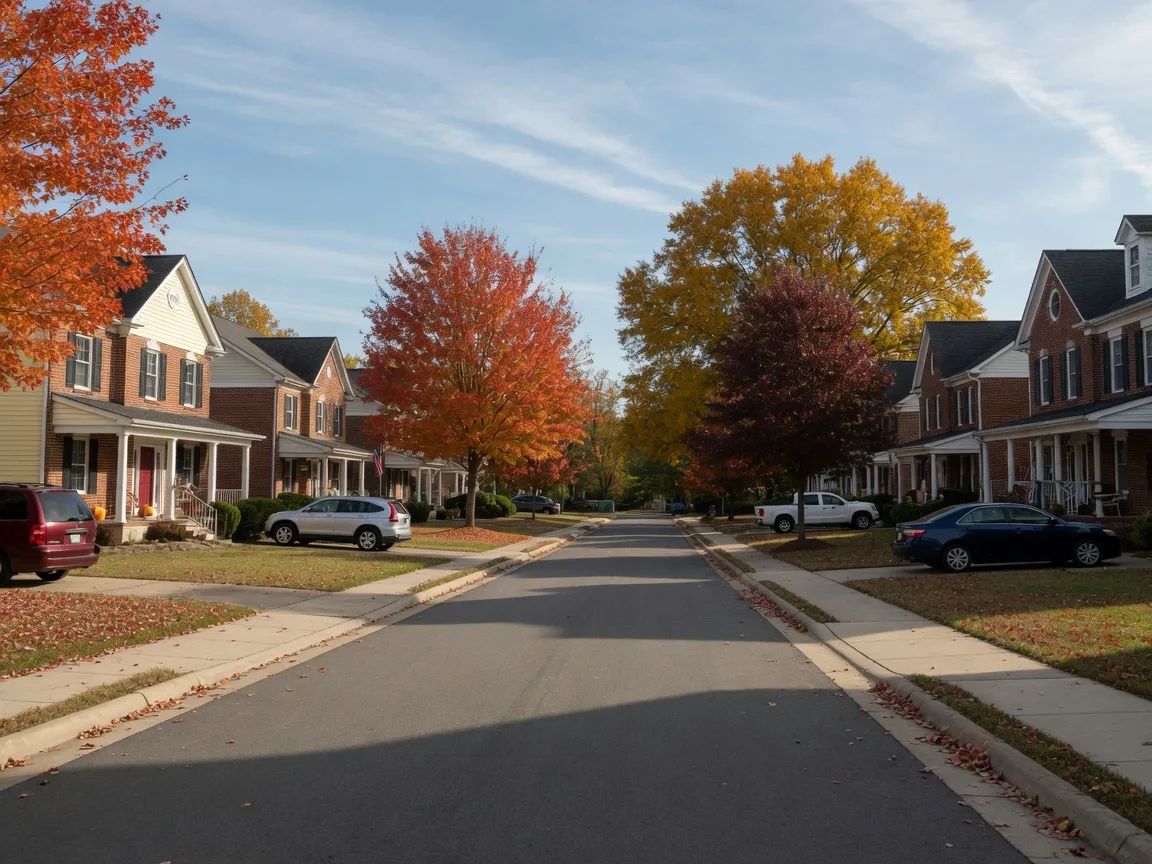
The comparable set comes from homes like these: same subdivision, same feeder schools, same buyer pool.
The Real Cost of Overpricing
The most expensive mistake a seller can make is not pricing too high. It is pricing too high and then discovering the market has moved on. Homes priced more than 3% above market value sit roughly 2.4 times longer and sell for 4% to 7% less than homes priced accurately from day one, according to 2026 market analysis from the Jamil Brothers team. The reason is simple: the first two weeks are when a listing gets the most exposure, the most showings, and the most buyer attention. If the price is right, that window produces competing offers. If it is high, the window produces quiet, and buyers start to wonder what is wrong.
Time compounds the problem. Once a listing sits three to four weeks, buyers begin questioning it, and by roughly 45 days on market, they negotiate harder, asking for price cuts and concessions. A home that starts at $625,000 and drops to $599,000 after a month often sells for less than a home that lists at $599,000 on day one, because the market reads the reduction as a signal. The "we can always come down" strategy is the most expensive pricing plan in real estate.
Pricing Psychology: Brackets, Positioning, and the Number Itself
Buyers shop in price brackets, and most search filters snap to round numbers. A home listed at $599,900 appears in every search for homes up to $600,000, while the same home at $605,000 disappears from that bracket entirely and lands in a less-trafficked one. That is why so many correctly priced listings in this region end in 900 or 500. It is not a gimmick. It is bracket math.
Positioning also matters. In a balanced market, a home priced slightly below its true market value, say $585,000 when the data supports $595,000, can generate multiple offers that push the final number past the single list price. You are trading a little perceived risk for real competition. The strategy only works when the price is genuinely supported by the comparables, which is why the analysis comes first.
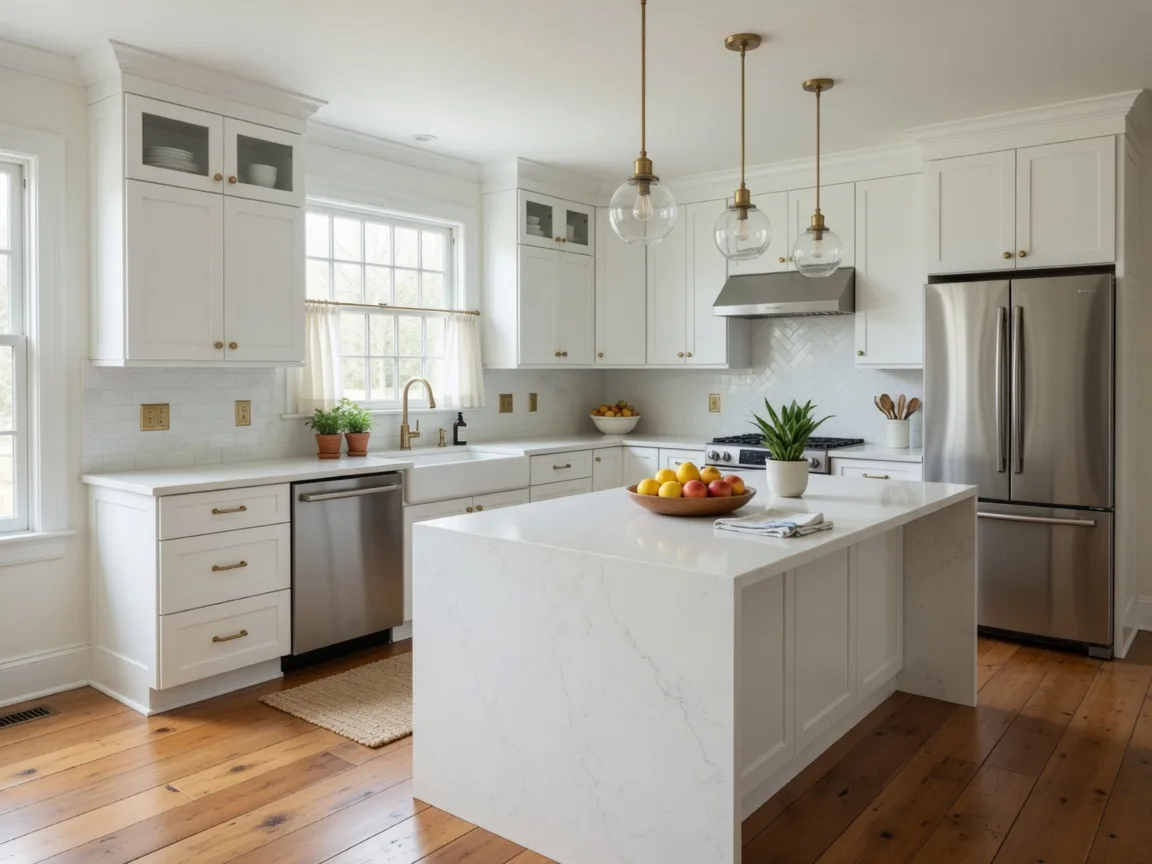
Condition and updates are priced into the comparable adjustments, not added on top as a surprise.
What a Data-Driven Pricing Strategy Looks Like
For every seller I work with, pricing starts with a full review, not a guess. I build the comparable set, walk the condition of the home, and then have an honest conversation about what the market will pay today, not what it paid in 2021 and not what a neighbor's online estimate says. I also plan for the possibility that we are wrong. We agree in advance on what showing feedback and market data will tell us and when we will revisit the price, so adjustments are driven by evidence, not emotion.
That plan matters because the fall window is real. The weeks between now and mid-November are one of the strongest selling periods of the year in this region, and a home priced and prepped correctly can still command attention even with rates near their highest level in years. If you are thinking about selling, the pricing conversation is the best place to start.
The right list price does not just sell your home. It protects your equity, shortens your timeline, and keeps you in control of the negotiation. That is the outcome I am working toward for every Prince William County seller, and it starts with an honest, data-backed pricing review. If you are considering a sale this fall or next spring, let us sit down and build the plan together.