Living in Gainesville, VA: A Local Agent's Guide to Prince William County's Western Gem

If you have spent any time driving the western edge of Prince William County along I-66, you have probably seen the signs for Gainesville — and maybe wondered what it is really like to live there. After more than 25 years of helping families buy and sell homes across Northern Virginia, I can tell you that Gainesville has quietly become one of the most sought-after communities in the NOVA corridor. It offers something that is increasingly rare in this market: planned, family-oriented neighborhoods with genuine community character, all at a price point that still makes sense relative to Fairfax and Arlington.
Gainesville is an unincorporated community in western Prince William County, Virginia, roughly 35 miles from downtown Washington, DC. It straddles ZIP codes 20155 and 20156, and its population has grown steadily over the past two decades as developers have built out a series of large-scale planned communities. The result is a place that feels suburban and settled — not a patchwork of disconnected subdivisions, but a growing community with its own identity, retail core, and lifestyle. If you are considering a move to Northern Virginia and want space, schools, and value without feeling like you are at the end of the earth, Gainesville deserves a serious look.
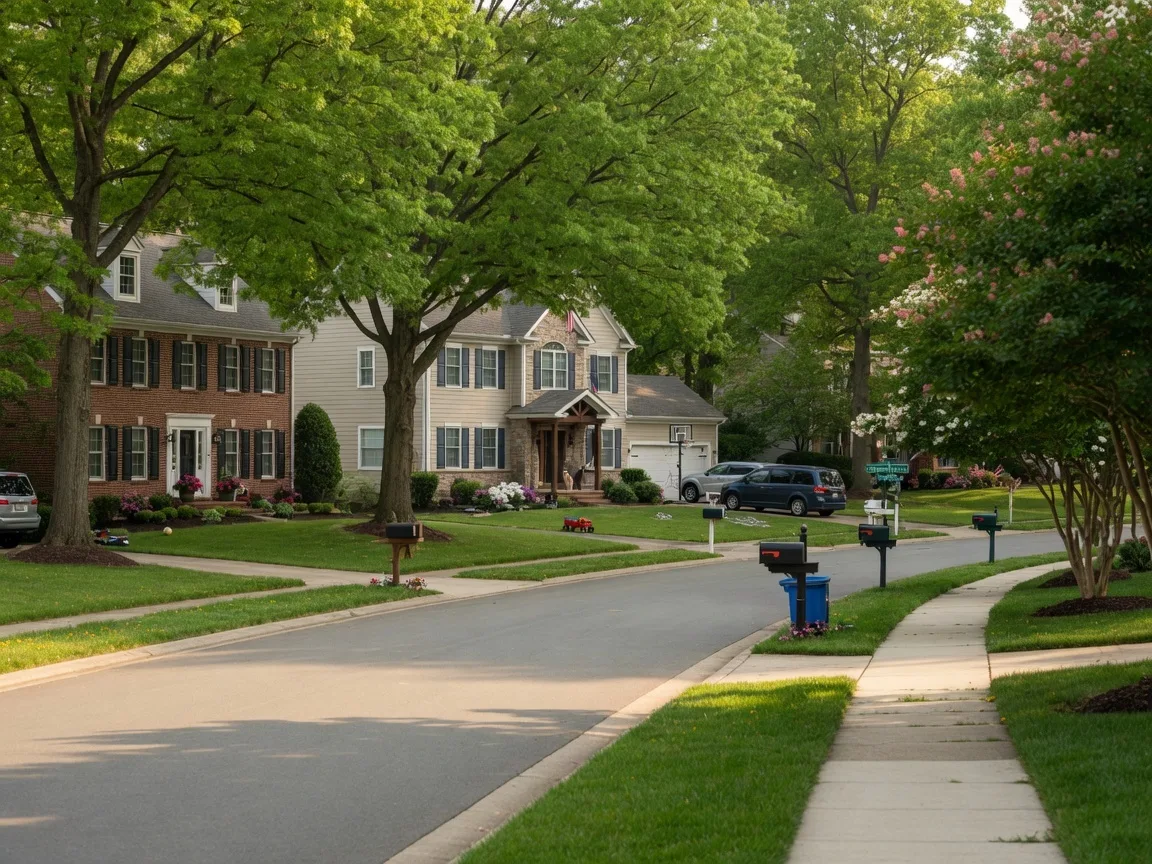
Gainesville's planned communities feature tree-lined streets and generous lot sizes that are increasingly hard to find closer to DC.
The Housing Market: What You Can Expect to Pay
Let us get to the number that matters most. Gainesville's median sale price currently sits in the range of $725,000 to $753,000, depending on the source and the mix of homes sold — Redfin pegs the overall median at roughly $752,500 as of mid-2026, up about 17 percent year-over-year. The 20155 ZIP code specifically reports a median of approximately $725,000. For Prince William County as a whole, Gainesville trends above the county median, reflecting the quality of the planned communities and the school assignments.
That pricing positions Gainesville as a meaningful step below Fairfax County — where the median sale price regularly exceeds $750,000 to $800,000 — while still delivering the kind of home and community that relocating families expect. You will find a strong inventory of single-family homes in the $650,000 to $900,000 range, with townhomes available from the low $500,000s. Many of the homes in neighborhoods like Dominion Valley, Piedmont, and Virginia Crossing were built between the late 1990s and 2015, offering modern floor plans, two-car garages, finished basements, and lot sizes that are generous by NOVA standards.
The market moves fast. Homes in Gainesville spend a median of roughly 14 to 33 days on the market before going under contract — depending on price point and condition — and many desirable listings still attract multiple offers. If you are buying in Gainesville, come prepared with your financing locked and a clear sense of what you want. Hesitation in this market usually means losing the house.
Top Neighborhoods: Dominion Valley, Piedmont, Virginia Crossing, and More
What makes Gainesville stand out from other Prince William County communities is the quality and variety of its planned neighborhoods. Each one has a distinct identity, and choosing the right one depends on your priorities — schools, amenities, price point, or lot size.
Dominion Valley is the flagship community. It is a gated neighborhood built around a PGA-quality golf course with a clubhouse, swimming pools, tennis courts, and a robust social calendar. Homes here typically range from $700,000 to over $900,000, with a mix of single-family homes and townhouses. If you want a country-club lifestyle inside the NOVA commute corridor, Dominion Valley is where most buyers start their search.
Piedmont is one of the most popular family-oriented communities in Gainesville. It is known for its swim teams, neighborhood social events, community pools, parks, and well-organized homeowner associations. Homes generally fall in the $700,000 to $900,000 range, and the school assignments — including Glenkirk Elementary, which is rated 8 out of 10 on GreatSchools — are a major draw for parents.
Virginia Crossing offers a similar family-friendly package to Piedmont, with community pools, parks, and regular neighborhood events. It tends to attract buyers who want the Piedmont lifestyle at a slightly different price point or location within Gainesville.
Glenkirk Estates is a newer planned community that feeds into some of the top-rated schools in the area, including Glenkirk Elementary. For families who prioritize school quality above all else, this neighborhood is consistently at the top of the list.
Oak Valley is an established neighborhood with mature trees and larger lots, offering single-family homes in the $650,000 to $900,000 range. It is a good option for buyers who want a more settled, less cookie-cutter feel.
Every neighborhood in Gainesville has its own personality, and school assignments can vary by address — even within the same community. I always recommend that my clients verify their specific school zone through the Prince William County Public Schools boundary locator before making an offer. That one step can save you from an unpleasant surprise after closing.
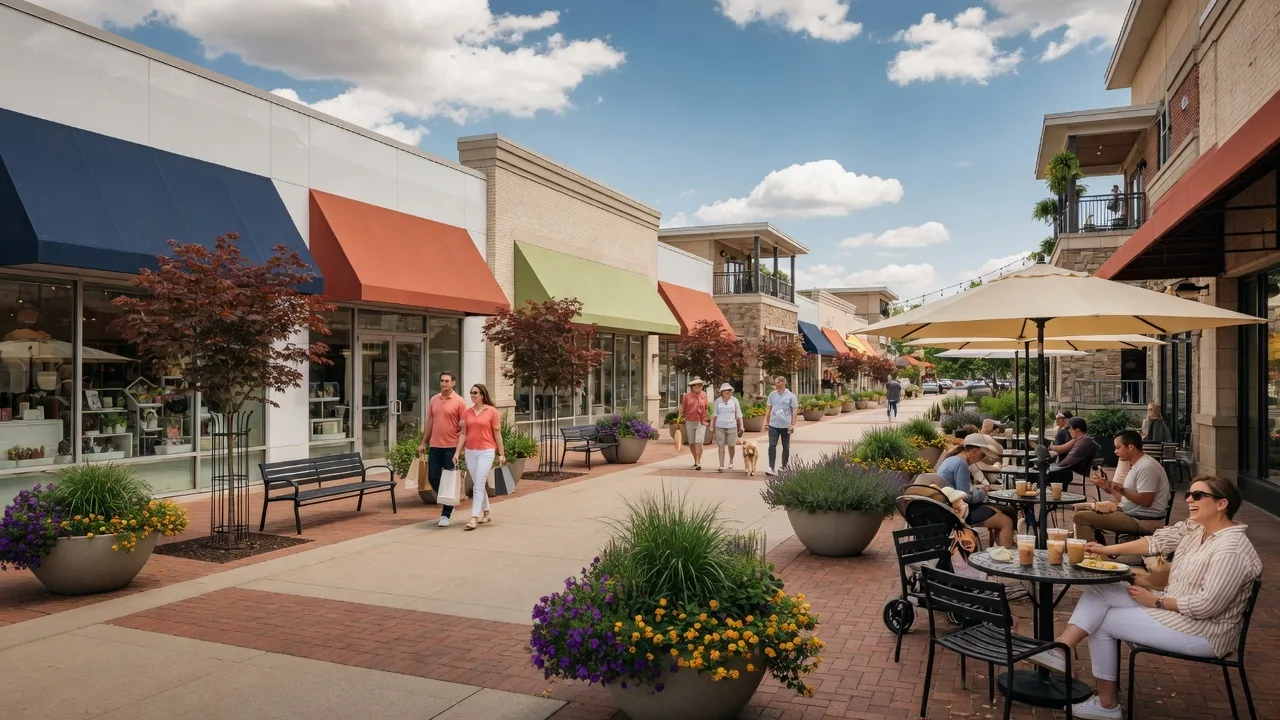
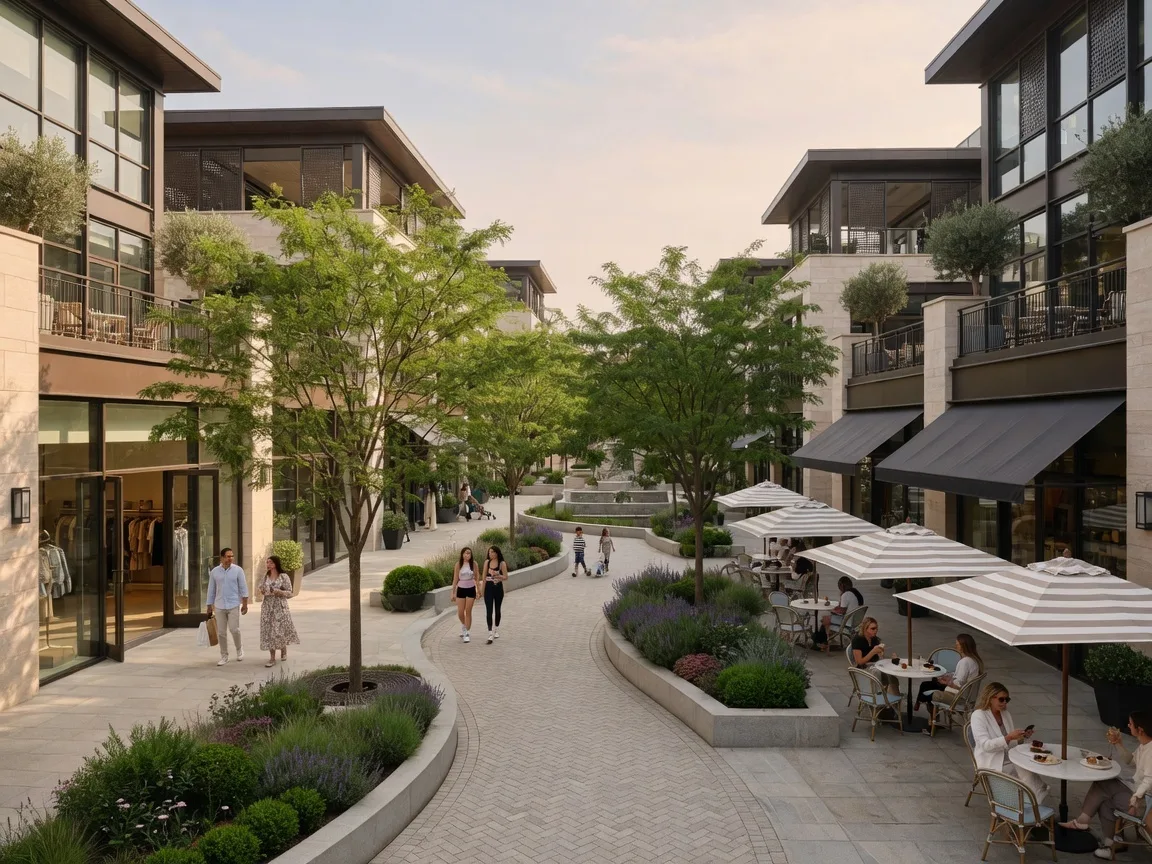
Virginia Gateway is Gainesville's premier retail destination, with 120-plus stores, restaurants, and entertainment options.
Schools: What Parents Need to Know
Gainesville falls within Prince William County Public Schools, one of the largest school systems in Virginia. The community is served by two main high schools — Gainesville High School, which opened in 2021 and is rated 7 out of 10 on GreatSchools, and Battlefield High School in neighboring Haymarket, which is well-established with strong academics and athletics programs.
Middle school options include Gainesville Middle School (rated 7 out of 10) and Bull Run Middle School for neighborhoods in the western part of the community. At the elementary level, Glenkirk Elementary stands out with an 8 out of 10 rating — among the highest in the Gainesville area. Piney Branch Elementary and other schools also serve specific neighborhoods.
One thing that consistently impresses families who move to Gainesville is the investment in newer school facilities. Gainesville High School, in particular, was built with modern STEM labs, collaborative learning spaces, and athletic facilities that rival anything in the region. Prince William County has been investing heavily in school construction and renovation, and Gainesville families are direct beneficiaries.
As always, exact school assignments depend on your home address. I help every client verify feeder patterns before we write an offer — it is one of the most important details in a family relocation, and it is not something you want to get wrong.
Shopping, Dining, and Things to Do
One of Gainesville's genuine advantages over many western Prince William County communities is its retail and entertainment infrastructure. Virginia Gateway is the anchor — an open-air lifestyle center with more than 120 stores and restaurants, including Target, Regal Cinemas, Giant Food, Total Wine, HomeGoods, and Ulta Beauty. The center has continued to grow, with recent additions including Sephora, Warby Parker, and Call Your Mother deli. Adjacent to it, the Promenade at Virginia Gateway adds even more retail and dining options.
For grocery shopping, residents also have access to the Shops at Stonewall, which features a Wegmans and a Barnes & Noble — a combination that tells you a lot about the demographic that Gainesville attracts. BJ's Wholesale Club and Lowe's round out the big-box needs at the Gateway Center.
On the dining and nightlife side, Gainesville offers more than you might expect. Uncle Julio's Tex-Mex and Firebirds Wood Fired Grill are popular sit-down options, while Pakwaan Indian Cuisine provides a well-regarded local alternative. For craft beverage enthusiasts, Tin Cannon Brewery and Murlarkey Distillery are both located in the Gainesville area, and nearby Haymarket offers the Red House Tavern and a growing selection of local restaurants. The broader corridor along Route 29 and I-66 continues to add new dining options as the population grows.
For outdoor recreation, the options are substantial. Conway Robinson State Forest offers hiking and mountain biking just minutes from most Gainesville neighborhoods. Manassas National Battlefield Park — where you can walk the hallowed grounds of First and Second Manassas — is immediately adjacent to the community. Silver Lake Regional Park, James S. Long Regional Park, and Hillwood Camping Park round out the green-space options. And for live entertainment, Jiffy Lube Live, one of the largest outdoor concert venues in the DC metro area, is practically in Gainesville's backyard.
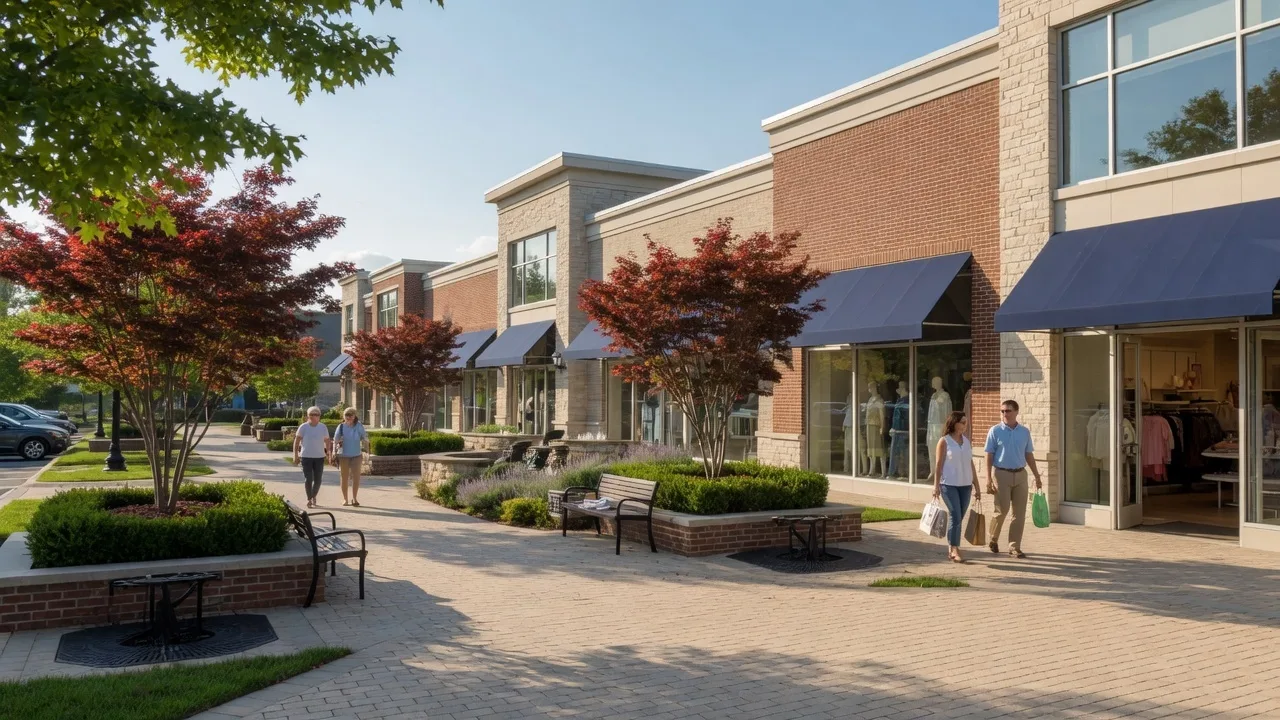
Virginia Gateway and the Promenade at Virginia Gateway offer a walkable shopping and dining experience with 120-plus stores, restaurants, and entertainment options.
The Commute: Getting to DC and the Employment Corridors
Let us talk about the commute, because it is the question every Gainesville buyer asks — and rightfully so. Gainesville sits approximately 35 miles from downtown Washington, DC, and the commute experience depends heavily on how you get there.
By car via I-66: The most common commute route. Off-peak, you can make it to the Beltway in about 35 to 45 minutes. During peak morning and evening rush, expect 60 to 90 minutes. I-66 inside the Beltway operates with toll express lanes — solo drivers pay variable tolls that can run $10 to $30 or more during peak hours, while HOV-2+ vehicles with an E-ZPass Flex ride free. Outside the Beltway, I-66 has been undergoing widening with new express lanes, which has improved flow for commuters willing to pay the toll.
By VRE (Virginia Railway Express): The closest VRE station to Gainesville is in Manassas, about a 10- to 15-minute drive. The Manassas Line runs directly to Union Station in DC with a ride time of roughly 50 to 70 minutes. A monthly pass runs approximately $270 (Zone 5). For commuters who work near Capitol Hill, Union Station, or the Metro-accessible corridors, the VRE is often the most predictable and stress-free option.
By OmniRide bus: The 611 Front Royal–Gainesville–Washington route runs along I-66 with stops at the Pentagon and other DC locations. Morning service is generally reliable; afternoon return trips can be slower due to traffic. Many commuters ride to Ballston or other Metro-accessible stops and transfer from there.
Carpooling and slugging: Gainesville has an active carpool community. The Linton Hall commuter parking lot is a popular slug line pickup point, and HOV-3+ vehicles ride the I-66 and I-495 express lanes free of charge.
Here is the honest truth: the commute is the biggest trade-off of living in Gainesville. But in my experience, the buyers who thrive here are the ones with hybrid or flexible work arrangements — even two or three days a week in the office makes the drive manageable, and the space, schools, and lifestyle more than compensate on the days you are home.
Who Is Gainesville Best For?
Based on my years of working with buyers in this community, the people who tend to love Gainesville are:
- Growing families who want top-rated schools, community pools, and a neighborhood where kids ride bikes and parents know each other's names.
- Hybrid commuters who work in DC or the Fairfax employment corridor two to three days a week and want space and value on the days they are home.
- Move-up buyers from Fairfax or Arlington who are ready for a larger home but not ready to leave Northern Virginia entirely.
- Military and government families — particularly those with assignments at the Pentagon, Fort Belvoir, or Quantico — who can leverage I-66 or the VRE.
- Golf and outdoor enthusiasts who want a community built around lifestyle amenities and proximity to state forests, battlefields, and regional parks.
Gainesville may not be the right fit if you need a short commute to Tysons Corner every day, or if you want a walkable urban village with restaurants and shops within strolling distance of your front door. The lifestyle here is suburban by design — and for the right buyer, that is exactly the point.
Is Gainesville Worth Putting on Your List?
In my experience, too many Northern Virginia buyers never make it far enough west to see what Gainesville offers. They assume it is too far out, or they have not driven the neighborhoods. That is a mistake. Gainesville delivers planned communities, strong schools, retail infrastructure, and genuine community life at a price point that is increasingly difficult to find closer to DC.
If you are curious about what is currently available — or if you want to drive through Dominion Valley, Piedmont, or Glenkirk Estates and see how the neighborhoods feel in person — I would love to help. I know every community in Gainesville, and I can match you with the right home and the right neighborhood for your family's needs. No pressure, just honest guidance from someone who genuinely knows this market.
Reach out to me directly at 571-377-8777, GG@MoveMeInVa.com, or schedule a call at your convenience.