How to Choose the Best Offer for Your Home in Prince William County

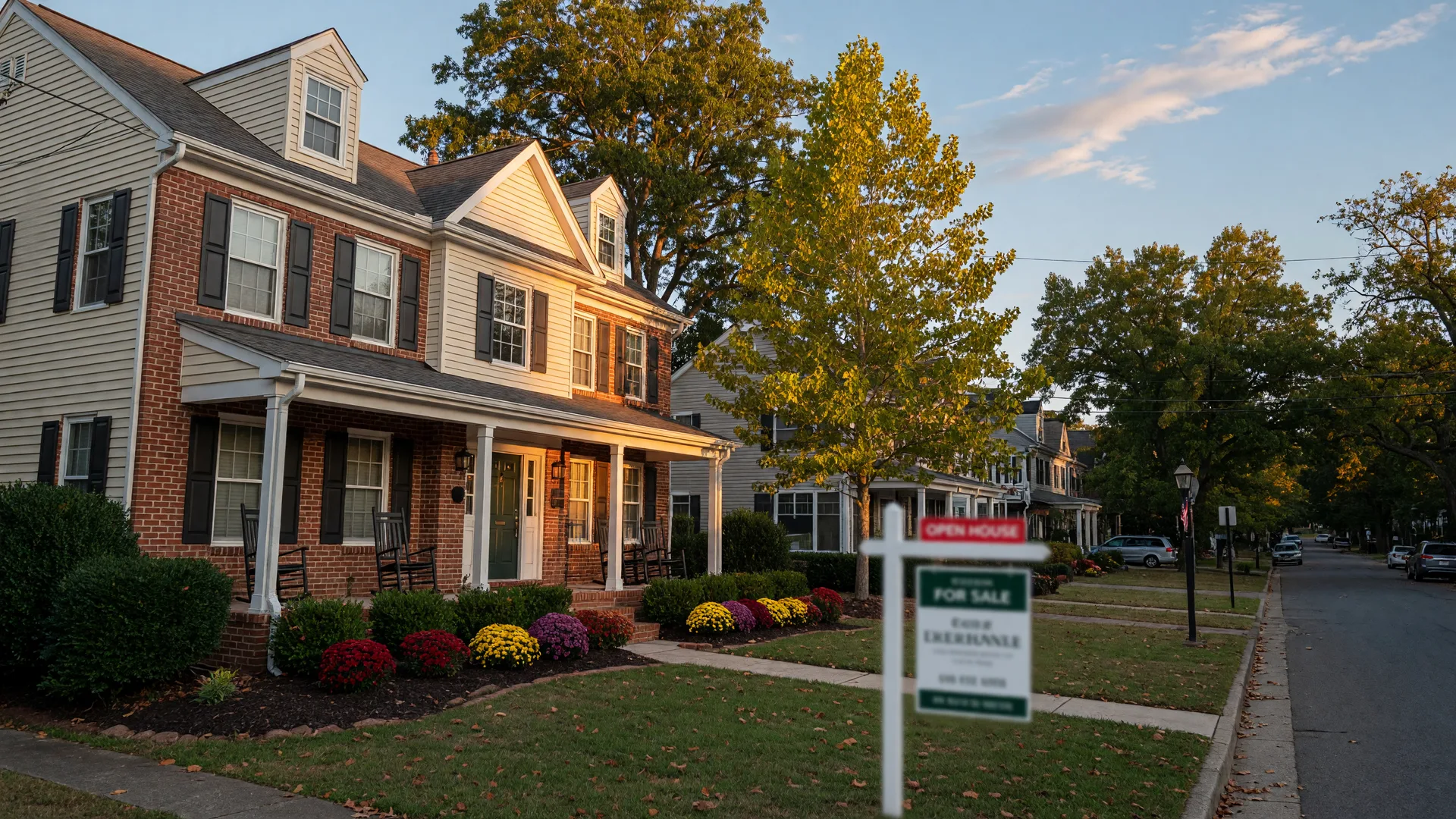
Does the highest bid always win when you sell a home in Prince William County? Not necessarily, and knowing the difference between the biggest number and the best offer is one of the most valuable things a listing agent does for a seller. In this post I will walk through how to compare offers side by side, which terms actually matter, and how to protect your interests when multiple buyers are competing for your home.
The short version: every offer is a bundle of price, terms, financing, and timing. The top-dollar bid can carry the most risk, while a slightly lower offer with a strong pre-approval and fewer unknowns can be the one that actually gets you to settlement on time and on price. Here is how to tell them apart.
Why Prince William County Sellers Are Still Seeing Multiple Offers
With more homes for sale than in years, it is fair to ask whether bidding competition still happens in Prince William County. The answer is yes, and it is concentrated where you would expect. The latest Prince William Association of Realtors (PWAR) statistics for May 2026 showed a median sold price of $599,450, up 3.4% year-over-year, with 628 closed sales and homes selling at about 100.6% of list price. Average days on market ran just 18 days that month, and homes in the sub-$600,000 range, the heart of the Manassas, Bristow, Woodbridge, and Dale City markets, have been drawing the most competition.
The regional numbers tell the same story. Northern Virginia's months of supply hovered around 1.2 for much of the year, well below the four to six months that signal a balanced market, and roughly 28% of Northern Virginia homes sold above list price in late 2025. With the Federal Reserve's September 16 decision pushing 30-year mortgage rates to about 6.95% per Freddie Mac, buyers who are pre-approved at today's rates tend to be serious, and sellers who price their homes at or slightly below market are the ones pulling multiple buyers to the table.

The Highest Price Isn't Always the Best Offer
Here is the sentence I repeat to every seller client: you do not sell to the highest number, you sell to the offer most likely to close. A bid that is $15,000 above everyone else looks great on paper, but if the buyer cannot appraise at that number and walks, you have lost weeks of momentum and your best buyers. When I lay offers out for a seller, I look at four things before price:
- Financing strength. Is there a full pre-approval, or just a pre-qualification? A conventional loan with a large down payment usually appraises more predictably than a thin-file loan that needs every dollar of the appraisal to work. Cash offers should come with proof of funds.
- Appraisal risk. In Prince William County, where homes sell near $600,000 and up, the appraisal gap matters. A buyer who offers appraisal gap coverage, pledging to cover a shortfall between the contract price and the lender's appraised value, removes one of the biggest reasons deals die.
- Contingencies. Home inspection, financing, and appraisal contingencies are normal parts of any strong offer. The question is how each buyer shapes them, whether they offer repair caps or waiver-style terms, and whether a buyer needs a concurrent sale of their current home to close yours.
- Timing. The best offer for you might be the one that gives you a comfortable closing date plus a rent-back, not the one that closes in three weeks. Your next home matters as much as your current one does.
How to Compare Offers Side by Side
The right way to compare offers is net proceeds, not list price. Start with the gross price and subtract the seller side of the settlement statement: the real estate commission plus Virginia transfer taxes, recording fees, and settlement charges, which together typically run about 8% to 10% of the sale price for most sellers in this region. On a $600,000 home, a $10,000 price gap between two offers can disappear entirely once you compare what each buyer is asking you to pay or credit.
Escalation clauses deserve special attention. A buyer's offer that automatically beats any competitor by a fixed amount, up to a ceiling, is common in this market and can work well, but you need to confirm how the escalation is verified and capped. Many agents prefer to skip the gamesmanship and simply run a highest-and-best round among the top two or three buyers, which is transparent and lets every serious buyer put their best foot forward. I have seen both approaches work; the key is to be consistent and fair with every buyer you ask to come up.
Which Contingencies Deserve a Closer Look
A buyer's home inspection produces a report you will read with your own eyes, and that is a good thing. What separates offers in practice is how the inspection is handled: a repair cap of a few thousand dollars for material defects, as opposed to an open-ended punch list. In Prince William County neighborhoods with well water and septic, the inspection of wells, septic systems, and radon is a real cost and a real request, and a buyer who budgets for them is doing due diligence, not anything to resent.
The riskiest contingency is the one where a buyer must sell their current home before settlement, especially if that home is not yet under contract. It is not automatically a deal breaker, but it is the single most common reason a clean offer beats a higher one. A rent-back, where you stay in the home after closing while your next home is finished, is one of the most valuable tools for sellers here, and Northern Virginia buyers routinely accept reasonable rent-back periods.
An Experienced Agent Protects You Through Every Negotiation
This is where a local agent earns their keep. I have spent 25 years selling in Northern Virginia, most of it across Prince William County, Manassas, and Manassas Park, and I have seen the offer that looked best on Saturday become the one that fell apart by Thursday. I treat every seller like family, protect your interests as if they were my own, and explain each offer in plain English so you can make the decision with confidence, not pressure. Whether you are moving up, downsizing, or relocating, the goal is the same: the right buyer, the right terms, and a closing that goes as planned.
The Best Offer Is the One That Closes
The bottom line is simple: the best offer for your home balances price with a high probability of closing, a workable timeline, and terms that respect your life. Prince William County is a market where well-priced homes still draw multiple buyers, and comparing offers expertly is how you make all the right moves instead of leaving money, or peace of mind, on the table.
If you are thinking about selling in Prince William County, Manassas, Manassas Park, or anywhere in Northern Virginia, I would welcome the chance to put together your pricing and marketing strategy, and to review any offer that comes in with you. A consultation is free, honest, and completely without obligation.