Pre-Listing Home Inspections: Why Smart Northern Virginia Sellers Inspect Before They List

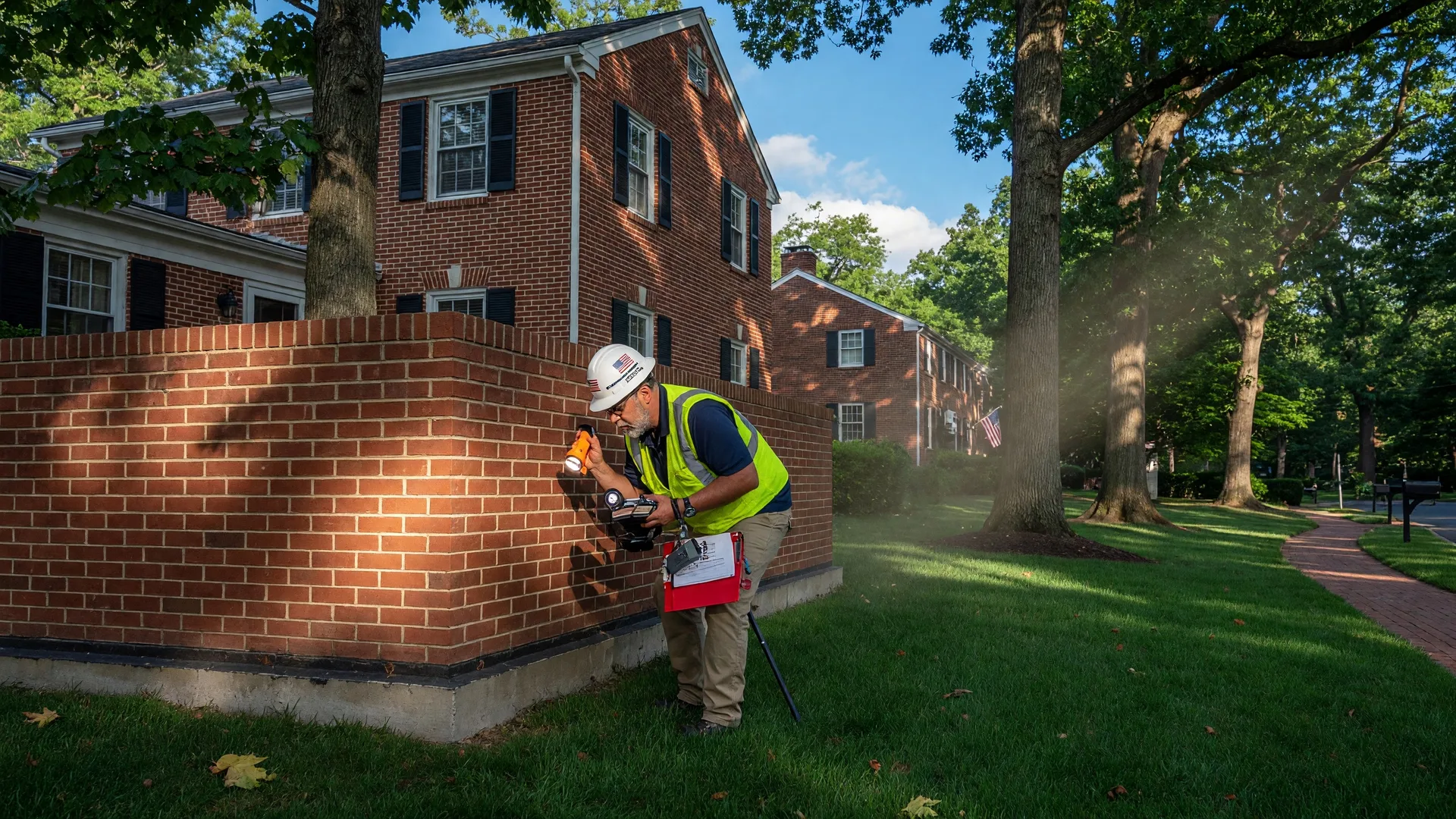
If you are getting ready to sell your home in Northern Virginia, you have probably already started thinking about curb appeal, decluttering, and maybe a fresh coat of paint. But there is a strategic move that many sellers overlook — and it can change the entire trajectory of your sale: ordering a pre-listing home inspection before you even put the sign in the yard.
A pre-listing inspection is exactly what it sounds like: you hire a licensed home inspector to go through the property, identify any issues, and deliver a full report — before the first buyer ever walks through the door. Instead of waiting for a buyer's inspector to find problems and trigger a renegotiation, you get ahead of the curve. After 25 years of guiding sellers through transactions across Prince William County, Manassas, Fairfax, Loudoun, and the greater NOVA region, I have seen this strategy save sellers thousands of dollars — and a tremendous amount of stress.
How Virginia's Disclosure Laws Shape the Seller's Decision
To understand why a pre-listing inspection matters in Northern Virginia, you first need to understand Virginia's real estate disclosure framework. Under the Virginia Residential Property Disclosure Act, sellers in Virginia are required to provide a Residential Property Disclosure Statement — but that statement explicitly says the owner makes no representations or warranties about the property's condition. Virginia follows the legal doctrine of caveat emptor — "let the buyer beware."
What this means in practice: while Virginia sellers cannot intentionally conceal material defects or commit outright fraud, the legal burden to discover and verify the property's condition falls primarily on the buyer. That is why virtually every offer in Northern Virginia includes a home inspection contingency — and that is where the risk for sellers lives.
The buyer's inspection is almost always the moment when a deal gets complicated. Even honest sellers who have lived in a home for years are often surprised by what a sharp inspector finds: slow roof leaks, insufficient attic insulation, grading issues that direct water toward the foundation, a corroded water heater flue, or a hidden termite infestation. In Virginia's competitive market, these discoveries can quickly turn into $5,000, $10,000, or even $20,000 in renegotiated credits or repair requests — sometimes killing the deal entirely.
A pre-listing inspection lets you discover those same issues on your own terms, with time to comparison-shop contractors and decide whether to repair, disclose, or adjust your price accordingly.
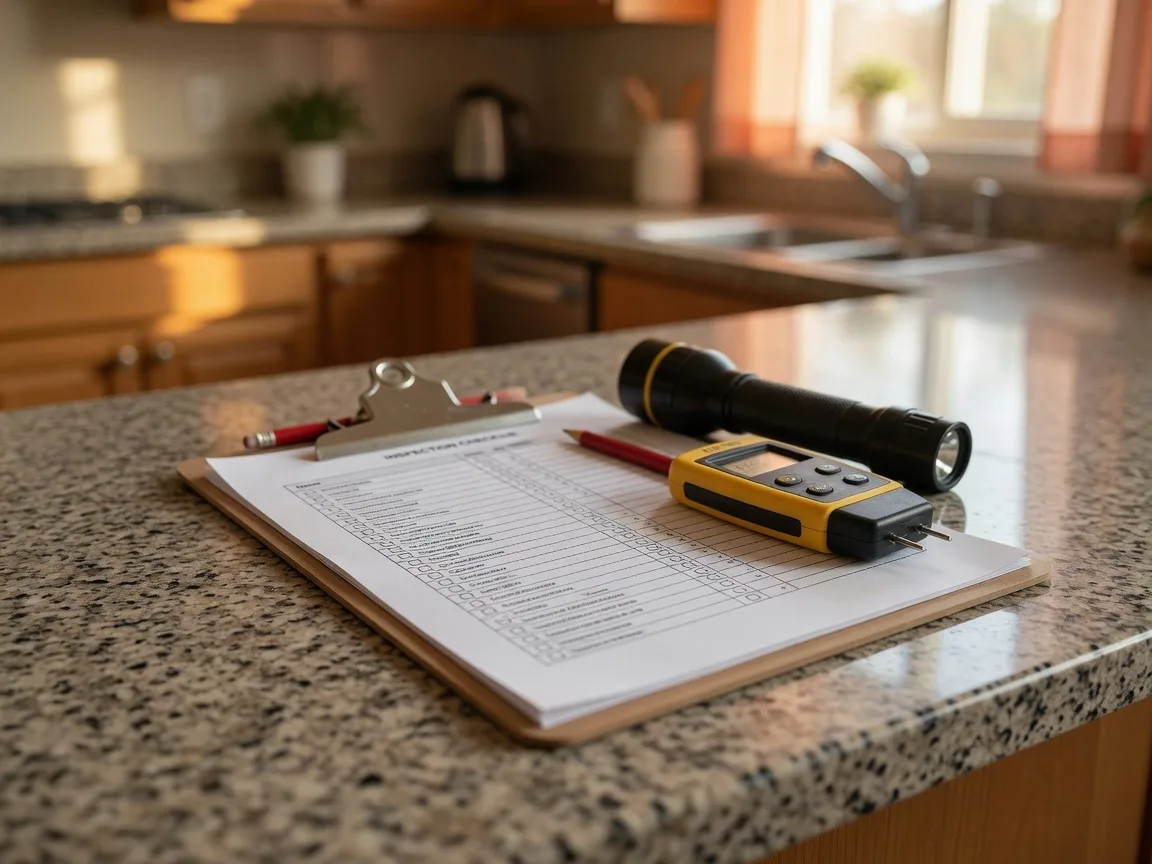
A pre-listing inspection report arms sellers with the knowledge they need to price accurately and negotiate from a position of strength.
The Case for Going First: Five Advantages of a Pre-Listing Inspection
1. You regain control of the timeline.
When a buyer's inspection uncovers issues, you are usually operating under a tight deadline — the standard residential contract in Virginia allows the buyer roughly 10 to 14 days for inspections and due diligence. That is not much time to get multiple contractor bids, evaluate the severity of a problem, and decide how to respond. With a pre-listing inspection, you have as much time as you need before the home even comes to market. You can research, compare quotes, and either fix the issues or make an informed decision to sell as-is.
2. You reduce the risk of a renegotiation ambush.
This is the biggest practical advantage. In a typical NOVA transaction, the buyer's inspection happens after you have already negotiated a price and gone under contract. If the inspector finds a $6,000 roof issue, the buyer is now in a strong position to ask for a credit — and in many cases, the contract's inspection contingency gives them the legal right to walk away if you refuse. By handling the inspection upfront, you eliminate the element of surprise. You can price your home knowing exactly what condition it is in, or provide a pre-completed report that gives the buyer confidence.
3. You can price your home more accurately.
The biggest pricing mistake I see sellers make is basing their list price on comparable sales without accounting for their home's specific condition. Two identical floor plans in the same neighborhood can sell $20,000 apart depending on roof age, HVAC condition, and deferred maintenance. A pre-listing inspection gives you — and me — a clear picture of where your home actually stands, so we can set a list price that reflects reality rather than hope.
4. You make your home more attractive to serious buyers.
When you provide a clean pre-listing inspection report upfront, you are sending a powerful signal: this home has been maintained, the seller is transparent, and there will be no unpleasant surprises. In a market like Northern Virginia — where many buyers are relocating from out of state on tight timelines — that confidence can be the deciding factor between two competing listings. Some buyers may even waive their own inspection contingency if they trust the report you have already provided, which is a huge competitive advantage in a multiple-offer situation.
5. You can address safety issues before they become deal-breakers.
A pre-listing inspection often reveals issues that a seller simply did not know existed — a carbon monoxide detector that is past its expiration date, an electrical outlet without GFCI protection near a water source, or a handrail that does not meet code. These are exactly the kind of items that can cause a buyer to question whether the home was well-cared for. Fixing them before listing is cheap and signals to buyers that you have nothing to hide.
What a Pre-Listing Inspection Costs — and What It Can Save You
In Northern Virginia, a standard pre-listing home inspection for a single-family home typically runs $400 to $550, depending on the size and age of the property and the inspector you choose. Larger homes (over 4,000 square feet) or older properties that require ancillary services — radon testing, crawlspace evaluation, or sewer scope — can push the total to $600 or $700. For context, that is roughly the same as one month of homeowner's insurance or a single night of staging furniture rental.
Compare that with the cost of a mid-transaction negotiation gone wrong. I have seen sellers give up $8,000 in credits because a buyer's inspector found a roof with five years of life remaining — a problem the seller could have fixed for $4,000 if they had known about it ahead of time. I have seen deals fall apart entirely over $2,500 worth of mold remediation in a basement. A $450 pre-listing inspection is inexpensive insurance against losing tens of thousands of dollars on a transaction — or losing the transaction itself.
When you view it through the lens of the overall cost of selling a home in Virginia — which typically runs 8% to 10% of the sale price when you factor in commissions, closing costs, and transfer taxes — the pre-listing inspection is a rounding error with potentially enormous leverage.

Once the inspection is done and any issues are addressed, the home is ready to show with confidence. No last-minute surprises during the buyer's walk-through.
When a Pre-Listing Inspection Makes the Most Sense
In my experience, a pre-listing inspection is particularly valuable in these scenarios:
- The home is older or has deferred maintenance. If your home is more than 20 years old and you are unsure about the condition of the roof, HVAC, or plumbing, a pre-listing inspection tells you exactly what you are working with — no guesswork.
- You are selling as-is. If you do not plan to make repairs, a pre-listing inspection protects you. You can provide the report to buyers, price the home accordingly, and avoid renegotiations later. The buyer knows what they are getting from day one.
- You are in a competitive price tier. In the $500,000 to $800,000 range — where most Prince William County and western Fairfax homes sit — buyers are shopping carefully and comparing every detail. A pre-inspected home stands out in the MLS.
- You have an estate or inherited property. If you are selling a home you did not live in, you likely have limited knowledge of its maintenance history. A pre-listing inspection is essential.
- You want to attract out-of-state buyers. Relocating buyers working on short timelines appreciate homes that are ready to close without protracted inspection negotiations.
How to Handle the Results
Once the inspection comes back, you have three paths forward:
Path 1 — Fix the issues. For items that are clear defects or safety hazards — a leaking pipe, a malfunctioning furnace, a missing GFCI outlet — the best strategy is often to repair them and provide the buyer with receipts. This lets you present a home that is "inspection-ready" and gives you maximum negotiating leverage.
Path 2 — Disclose and adjust price. For larger items — an aging roof or an older HVAC system that still functions — you may choose not to replace them, but adjust your list price by a reasonable percentage of the replacement cost. You disclose the issue in the seller's disclosure and share the inspection report with prospective buyers. This is honest, transparent, and removes the element of surprise.
Path 3 — Sell as-is with full disclosure. You share the inspection report in its entirety and market the home with clear language that the price reflects the condition. Some buyers — particularly investors and cash buyers — actually prefer this approach because they can underwrite the property's condition rather than guessing at it.
In every case, the key is that you make the decision, on your timeline, with complete information. That alone is worth the price of the inspection.
Making All the Right Moves Before You List
A pre-listing home inspection is not a mandatory requirement — in Virginia, there is no law that says you must inspect your home before selling it. But in 25 years of guiding sellers through the Northern Virginia market, I can tell you that the sellers who go into a transaction informed almost always come out ahead. They avoid the fire drill of a buyer's inspection that goes sideways. They keep more money in their pocket. And they sleep better at night knowing there are no surprises waiting to surface.
If you are thinking about selling your home — whether it is in Manassas, Bristow, Haymarket, Burke, Centreville, or anywhere else in Prince William, Fairfax, Loudoun, or Stafford counties — I would be honored to walk through it with you. We will talk about whether a pre-listing inspection makes sense for your situation, and I will give you an honest, no-pressure assessment of where your home stands in today's market.
The best time to know what is in your home is before you list it, not after a buyer finds out for you.