Home Inspections in Prince William County: A Buyer's Guide

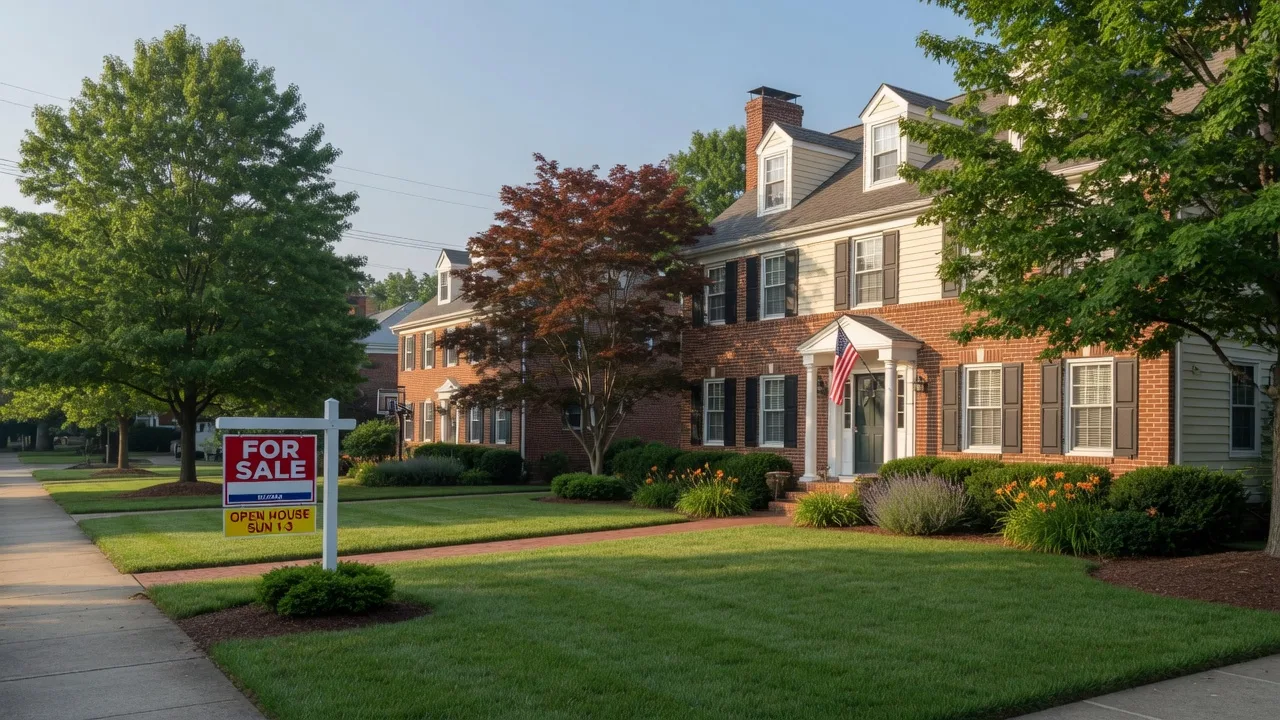
The home inspection is the moment a house stops being a lovely idea and becomes a real object with a history. An impartial professional walks every room with a flashlight and a checklist, and what they find shapes everything that follows: the repairs you request, the price you pay, or your decision to walk away. In this guide, I cover what a home inspection in Prince William County actually includes, what it costs, and the extras specific to this corner of Northern Virginia that catch buyers off guard: private wells, septic systems, radon, and termite reports.
After more than 25 years working Prince William County, I have sat through hundreds of inspections from Manassas to Woodbridge to Nokesville. The gap between an easy closing and a stressful one is rarely the house; it is how prepared you are for the report. A 1970s brick colonial in Manassas, a newer townhome in Bristow, and a country rambler near Nokesville all inspect differently, and a good plan accounts for local conditions before the inspector ever arrives.
What a Standard Inspection Covers, and What It Costs
In Virginia, home inspectors are licensed by the commonwealth through the Department of Professional and Occupational Regulation. A standard inspection is a visual, non-destructive review of the readily accessible components: the structure and foundation, roof, exterior and interior finishes, heating and cooling systems, plumbing, electrical, attic insulation and ventilation, and the major appliances. The inspector documents visible defects and safety hazards, then delivers a detailed written report, usually within a day or two.
Plan for the cost realistically. Single-family inspections in Prince William County run about $375 to $575, with Northern Virginia averaging roughly $400 to $700 depending on size and age. The base fee rarely includes the things that matter most in this county: radon, the termite report, well water, and septic evaluations are separate services, and budgeting for the base inspection alone is the classic buyer mistake.
Every home in Prince William County tells a different story during inspection
The PWC Extras: Wells, Septic, Radon, and Termites
This is where a Prince William County inspection differs from a downtown condo contract. Much of the county sits outside public water and sewer lines; through the open stretches near Nokesville, the rural edges of Gainesville, and parts of the Quantico corridor, homes depend on private wells and onsite septic systems. That is not a reason to avoid those properties, it is a reason to plan the right inspections from the start.
Virginia does not require well-water testing at sale, but lenders often do, and smart buyers test anyway. A VA loan on a well property, for example, typically calls for a certified water-quality test for total coliform and E. coli bacteria, and often nitrates as well. The Prince William Health District, part of the Virginia Department of Health, regulates wells and septic systems here, and the county encourages voluntary testing through its Well Water program. If your target home is on a well, we build the testing into the inspection window.
Septic inspections changed across Virginia effective July 1, 2025. When a septic inspection is a condition of a real estate transfer, state law now requires it to be performed by a licensed inspector under a written contract, with a written report to the parties within 10 business days describing the condition and maintenance needs. Sellers also disclose the location of the system and drainfield and the maintenance history, so we schedule the evaluation as soon as an offer is accepted.
Then radon: the EPA has put Prince William County in Radon Zone 2, a moderate-risk area, and countywide averages run around 2.6 picocuries per liter, about double the national average. Roughly one in four or five Virginia homes may screen at or above the EPA action level of 4.0. Professional testing is inexpensive, usually about $95 to $150 as an add-on, elevated levels are fixed with a standard mitigation system, and it is the only way to know any house's actual risk.
Finally, the termite report, the one I treat as non-negotiable. Virginia sits in the moderate-to-heavy zone on the VA's termite-probability map, which is why VA loans require a wood-destroying insect report statewide and FHA and conventional lenders routinely expect it here. The standard purchase agreement includes a termite clause, the certificate is a modest fee, and a hidden infestation costs far more than the report ever will.
Reading the Report and Putting It to Work
The standard Virginia purchase agreement gives buyers an inspection period, and within that window you have real options: request repairs, negotiate a price reduction or closing credit, or simply walk away. The art is in triage. Health and safety concerns, electrical, structural, chimney and foundation, matter most; then main systems with real age, like the roof, the HVAC, and the water heater; and only then cosmetic issues, which rarely move the price much.
Negotiation is a conversation, not a demand list. Sellers will generally fix what is genuinely broken and resist paying for what is merely outdated, so repair requests should be specific and grounded in the report. For big-ticket findings, get a quick estimate from a contractor. If radon tests at or above the action level, get a mitigation quote. I often negotiate a closing credit instead of a long repair list so you decide how the work happens, and the strategy always fits the house, whether it is a colonial in Old Town Manassas or a newer home in Bristow.
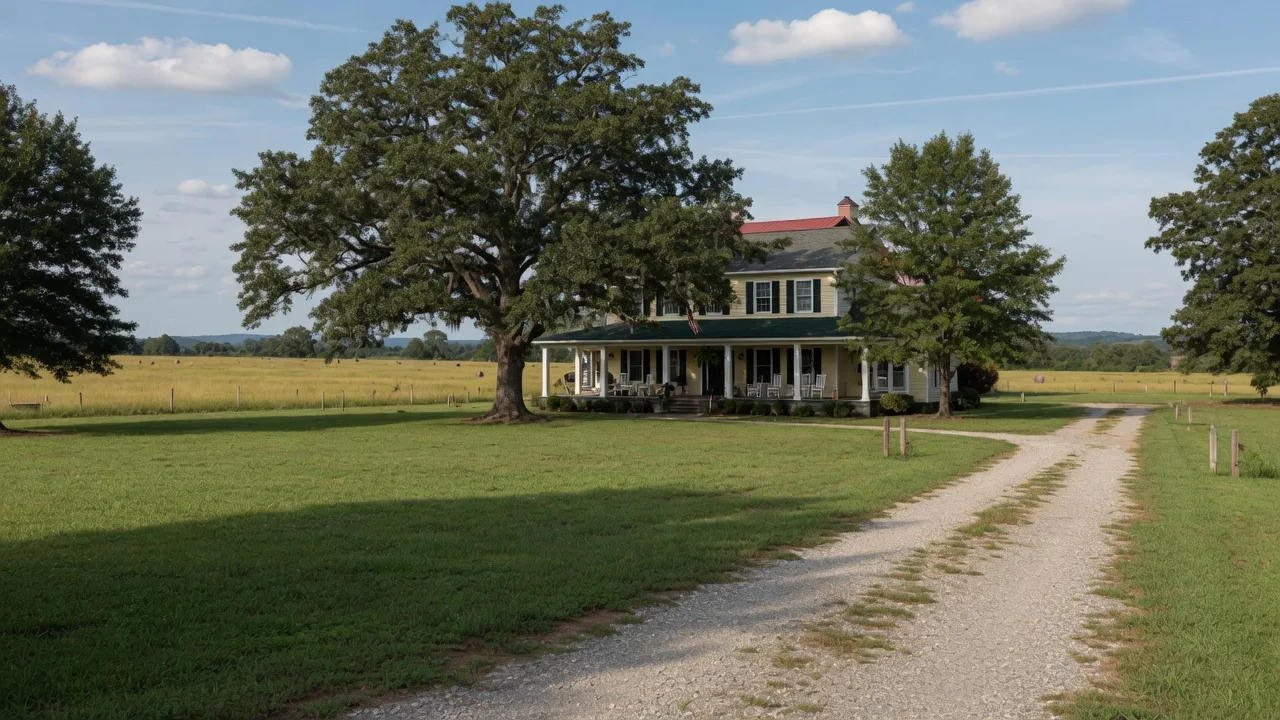
Homes on wells and septic call for the extra inspections Prince William buyers should know
A Practical Inspection Game Plan
Budget before you fall in love. Base inspection, radon, termite, and well or septic testing where they apply: plan for the $600 to $900 range all-in so you are never forced to skip a test to save the deal. Plan the calendar too, because the general inspection, the radon test, and the well or septic evaluations are often scheduled separately, and all need to fit your inspection window.
Attend the inspection in person. It is the best education you will get about your future home: the roof's age, the HVAC's make and year, and how the basement breathes. Ask your agent for inspectors who know Prince William County specifically, including wells and septic systems; some handle everything themselves, others bring in certified specialists, and a good local referral is worth as much as the report.
New construction is a different process with the same spirit: a pre-drywall inspection and a final walkthrough both matter, and your own inspector should be part of the walks, not just the builder's representatives.
The Inspection Window Is Your Superpower
Every buyer has the same moment: the report lands and, with it, the nerves about what the findings mean. The inspection tells you the truth about the house, and the report is your chance to act on that truth. Skimping on inspection, or skipping the county-specific extras of wells, septic, radon, or termite, is exactly the kind of costly mistake I have watched buyers regret for years.
My job is to be in your corner before, during, and after inspection. I work with inspectors who know the county's wells and septic systems, I read enough reports to tell you which findings matter and which are routine, and I will help you turn that document into a fair deal. If you are about to make an offer anywhere in Prince William County, Manassas, or Manassas Park, let's talk first so you walk into the inspection window ready to make all the right moves.