How to Stay Safe During Heat Waves: A Practical Guide for Families

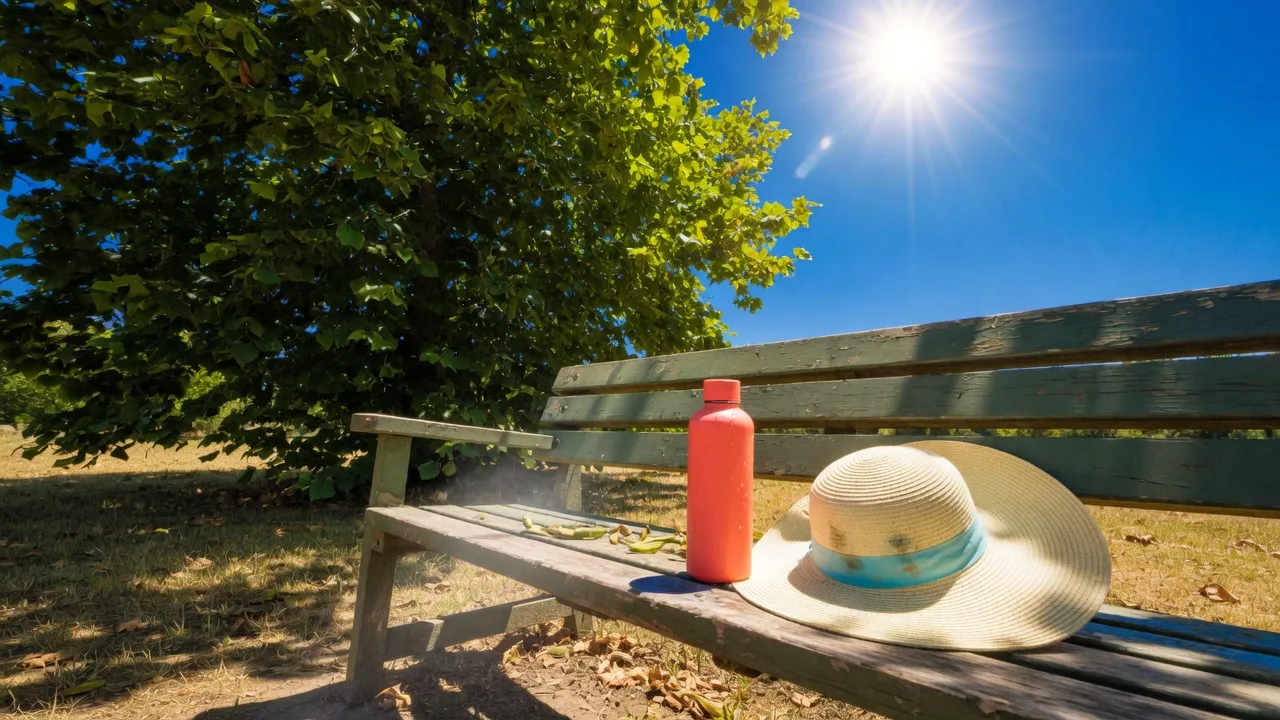
Summer in Northern Virginia is beautiful — long evenings on the patio, weekend open houses, kids playing in the yard, and farmers' markets in Old Town Manassas. But when temperatures spike into the upper 90s and beyond, the heat can turn dangerous fast. According to NOAA, extreme heat has killed more people in the United States over the last decade than any other weather phenomenon, and the CDC reports that heat-related illnesses send hundreds of thousands of people to the emergency room each year.
Whether you're touring homes, hosting a backyard barbecue, or simply getting through your daily routine, these practical tips will help you and your family stay safe when the mercury climbs.
Know the Warning Signs: Heat Exhaustion vs. Heatstroke
The single most important thing you can do in extreme heat is recognize when something has gone wrong — for yourself or someone else. Heat-related illness exists on a spectrum, and catching it early can be life-saving.
Heat Exhaustion — Act Quickly
Heat exhaustion is your body's early alarm that it's struggling to cool itself. Watch for these symptoms:
- Heavy sweating with cool, clammy skin
- Dizziness or lightheadedness
- Nausea or vomiting
- Weakness and fatigue
- Headache or muscle cramps
- Fast, weak pulse
If you notice these signs, move to a cool area immediately, sip water, apply cool cloths, and rest. If symptoms don't improve within 30 minutes or worsen, seek medical attention. Heat exhaustion can progress to heatstroke if left untreated.
Heatstroke — Call 911 Immediately
Heatstroke is a medical emergency. The body's temperature regulation system has completely failed, and the consequences can be fatal without rapid intervention. Signs include:
- Body temperature above 104°F (40°C)
- Confusion, slurred speech, or altered mental state
- Hot, dry skin (or profuse sweating despite the heat)
- Seizures or loss of consciousness
Call 911 right away. While waiting for help, move the person to shade, remove excess clothing, and cool the body rapidly with ice packs to the neck, armpits, and groin, or by immersion in cold water.
Hydration: Your Most Important Defense
Water is your body's air conditioning system. When temperatures climb, you lose fluids faster than you realize — often without feeling thirsty until dehydration is already setting in. The CDC recommends drinking plenty of fluids even when you don't feel thirsty, and during prolonged time outdoors, aim for roughly one cup (8 oz) of water every 15 to 20 minutes — that's about 24 to 32 ounces per hour.
A few hydration ground rules:
- Start early. Drink a full glass of water before you head outside.
- Carry water with you. Keep a reusable bottle in your car, your bag, and on your porch.
- Avoid alcohol and sugary drinks. Both can accelerate dehydration. Coffee in moderation is fine, but balance it with water.
- Consider electrolytes. If you're sweating heavily, a low-sugar sports drink can help replace lost salts.
- Watch the color of your urine. Pale yellow means you're well-hydrated; dark yellow means drink more.
Best Times of Day to Be Outside
Timing matters more than most people think. The sun's UV rays are most intense between 10 a.m. and 4 p.m., and ground-level temperatures typically peak between 2 p.m. and 5 p.m. If you have flexibility, schedule outdoor activities — home tours, yard work, walks, or workouts — for the early morning (before 10 a.m.) or evening (after 6 p.m.).
If you must be outdoors during peak heat, take frequent breaks in air-conditioned or shaded spaces, and listen to your body. A 15-minute cooling break every hour can make a significant difference.
What to Wear: Dressing for the Heat
Your clothing choices have a bigger impact on comfort and safety than you might expect. The CDC recommends:
- Loose-fitting, lightweight clothing that allows air to circulate near your skin
- Light colors — dark fabrics absorb heat and can raise your body temperature significantly
- Natural fibers like cotton or linen that breathe well
- A wide-brimmed hat to shade your face, neck, and ears
- Sunglasses with UV protection to shield your eyes from harmful rays
Avoid synthetic fabrics like polyester during extreme heat — they trap moisture against your skin and can accelerate overheating.
Sunscreen and UV Protection
Sunburn isn't just a cosmetic concern — it actively impairs your body's ability to regulate temperature. According to the CDC, sunburned skin cannot release heat as effectively, significantly increasing your risk of heat-related illness. Here's what to do:
- Use broad-spectrum SPF 30 or higher on all exposed skin
- Apply 15 to 30 minutes before going outside so the sunscreen has time to bind
- Reapply every two hours — more frequently if you're swimming or sweating
- Don't skip often-forgotten areas: the tops of your ears, the back of your neck, and the tops of your feet
- Seek shade whenever possible, especially during peak UV hours
Remember that UV rays can penetrate clouds on overcast days, so sunscreen is a year-round habit — but it's especially critical during a heat wave.
Protecting Children and the Elderly
Children and older adults are disproportionately vulnerable to heat-related illness. Their bodies regulate temperature less efficiently, and they may not communicate discomfort clearly. A few important precautions:
For children:
- Never leave a child in a parked car. Interior temperatures can rise 20°F in just 10 minutes, even with the windows cracked.
- Ensure children drink water frequently during outdoor play — don't wait for them to ask.
- Schedule outdoor play for early morning or evening.
- Set up shaded rest areas with cold water and cool cloths.
- Dress children in light-colored, loose clothing and apply sunscreen liberally.
For older adults:
- Check on elderly neighbors and relatives during heat waves, especially those without air conditioning.
- Many medications (including diuretics, beta-blockers, and antihistamines) can interfere with the body's ability to regulate temperature — ask a pharmacist about heat-related risks.
- Encourage spending the hottest parts of the day in air-conditioned spaces. If home AC isn't available, local libraries, malls, and community cooling centers in Prince William County and Manassas offer relief.
- Watch for signs of confusion or disorientation — these can be early indicators of heatstroke in seniors.
Outdoor Workout Precautions
Many of us love our morning runs, cycling routes, or fitness classes in the park — but exercising in extreme heat demands extra caution. The CDC notes that the combination of metabolic heat from physical activity and environmental heat is a leading trigger for heatstroke.
- Shift your workout to before 8 a.m. or after 7 p.m. during heat advisories.
- Reduce intensity. Cut your pace, lower your reps, or shorten your session — your body is working harder than usual just to stay cool.
- Hydrate before, during, and after. Drink water before you start, take sips every 10–15 minutes, and rehydrate after you finish.
- Watch for warning signs: muscle cramps, excessive fatigue, dizziness, or nausea are your body telling you to stop immediately.
- Acclimatize gradually. If you haven't been exercising in the heat, your body needs 7 to 14 days to adapt. Build up gradually — the CDC recommends increasing heat exposure by no more than 20% per day.
General Heat Wave Safety Tips
Beyond the specifics above, here are a few broad-sense rules to keep in mind when a heat wave hits Northern Virginia:
- Stay informed. The CDC's HeatRisk Dashboard provides local forecasts and health guidance for your area.
- Check on your neighbors. A quick phone call or door knock can make a real difference for someone who is homebound or without AC.
- Keep pets cool too. Dogs and cats are highly susceptible to heatstroke. Provide shade, fresh water, and avoid hot pavement that can burn paw pads.
- Limit strenuous activities like moving furniture, deep-cleaning the garage, or intensive yard work to cooler hours.
- Know your cooling centers. Prince William County and the City of Manassas open public cooling centers during extreme heat events — check the county website or call 311 for locations and hours.
- Prep for power outages. Extreme heat strains the electrical grid. Charge devices, fill coolers with ice, and have a battery-powered fan or two on hand.
- Never leave children, elderly, or pets in parked vehicles. It's worth repeating — even a few minutes can be deadly.
Staying Safe Means Staying Prepared
Heat waves are becoming more frequent and more intense across the Mid-Atlantic. In fact, research published in PLOS Climate found that approximately 489,000 excess deaths worldwide were attributed to heat exposure between 2000 and 2019 — a number that continues to climb. Here in Virginia, the best thing you can do is take the threat seriously, prepare ahead of time, and look out for the people around you.
Staying hydrated, timing your outdoor activities wisely, dressing smart, protecting your skin, and watching out for the most vulnerable members of our community — these simple habits can make the difference between a great summer day and a medical emergency.
And if you're thinking about buying or selling a home this summer, remember that open houses, home tours, and yard work all happen in the heat too. I always make sure my clients are comfortable and prepared during our time together — because at the end of the day, I treat every client like family, and that means looking out for your well-being, not just your transaction.
Stay cool, stay hydrated, and enjoy the season safely.