New Construction Homes in Prince William County: What Buyers Need to Know

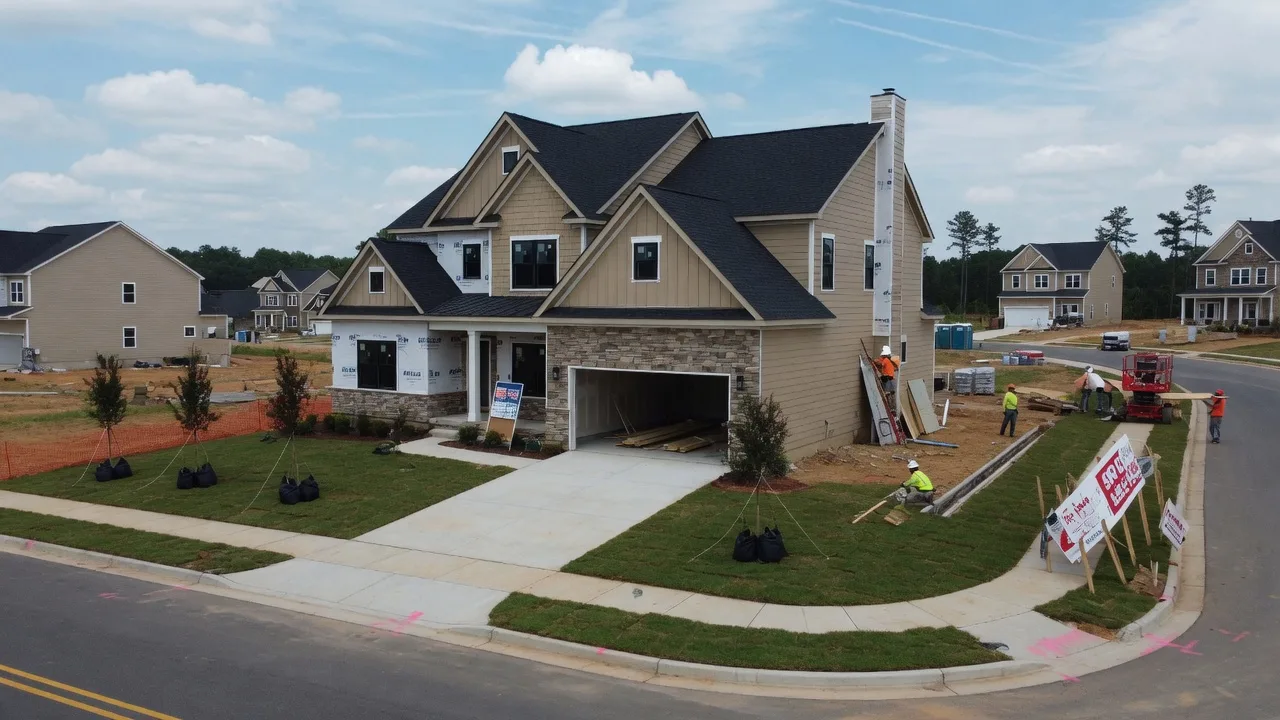
When people think about buying a home in Prince William County, the typical picture that comes to mind is an existing resale home in an established neighborhood. But more and more of my buyers are asking about a different route entirely: new construction. And it makes sense. Prince William County is experiencing a significant wave of new-home development, from the sprawling master-planned waterfront community at Potomac Shores to intimate townhome villages steps from the VRE in Manassas Park.
Buying new construction is a completely different process from buying an existing home. The builder is the seller. The model home is your showroom. And the timeline stretches months into the future, not weeks. In this guide, I will walk you through the major new construction communities in Prince William County, what prices look like in 2026, and the critical steps you need to take to protect your interests when buying directly from a builder.
The New Construction Landscape in Prince William County
Prince William County is one of the fastest-growing counties in Virginia, and the new-home market reflects that momentum. As of mid-2026, there are more than 100 active new construction communities across the county, with developments ranging from townhome clusters in established suburbs to luxury single-family estates on large lots. Here are some of the most notable communities attracting buyers right now:
Potomac Shores in Dumfries is arguably the most ambitious new development in the region. This master-planned community along the Potomac River is being built out over multiple phases with thousands of planned homes, and it includes its own VRE station currently in development. Builder Stanley Martin Homes is the primary builder here, offering Riverbluff Overlook condos starting in the upper $400,000s, Riverbluff Heights townhomes in the mid-$600,000s to low $800,000s, and premium single-family homes starting above $1.4 million. The community features a Jack Nicklaus Signature golf course, a riverfront park, and miles of walking trails.
Manassas Park Village offers a more accessible entry point. Also built by Stanley Martin, this community sits within walking distance of the Manassas Park VRE station, making it an ideal choice for commuters who want the benefits of new construction without sacrificing transit access. The two-level garage condos here provide a modern floor plan with low-maintenance living, appealing to first-time buyers, young professionals, and empty nesters alike.
Virginia Crossing in Haymarket caters to the luxury end of the market, with high-end single-family homes priced around $1.6 million. These homes feature options for three-car garages and in-law suites, set on larger lots with a more rural feel while still being close to I-66 and the growing retail corridor along Route 29.
For buyers who want a waterfront lifestyle, Gaslight Landing along the Occoquan River on the Prince William-Fairfax border offers luxury new construction with direct river access. This is a smaller, more exclusive community that appeals to buyers seeking privacy and natural beauty within reach of the urban core.
And there is more on the horizon. In December 2025, the county approved major new developments near the Occoquan Reservoir protection area, including Hoadly Square (279 units of townhomes, duplexes, and apartments on 56 acres in Woodbridge) and Maple Valley Grove (274 units on 24 acres nearby), both by JR Real Estate Group. These projects will add significant new inventory for buyers seeking modern homes in established areas with existing infrastructure.
Typical Price Ranges for New Construction in PWC in 2026
One of the biggest reasons buyers consider new construction in Prince William County is value. Compared to Fairfax and Loudoun counties, PWC offers significantly more home for the same price point. Here is a realistic snapshot of what you can expect to pay:
- Entry-level condos and townhomes: Upper $400,000s to mid-$600,000s. These are typically two- to three-bedroom attached homes with modern finishes, often in walkable communities near transit.
- Mid-range townhomes and small single-family homes: $600,000 to $800,000. Many of the most popular communities fall in this range, offering three to four bedrooms, two-car garages, and upgraded builder-grade finishes.
- Premium single-family homes: $1 million to $1.6 million and above. These include larger lots, custom floor plans, and premium finishes. Communities like Potomac Shores and Virginia Crossing dominate this tier.
- Overall county median home price: $525,000 to $550,000 as of early 2026. While the overall median includes resale homes, new construction typically comes in above that figure due to modern amenities and finishes.
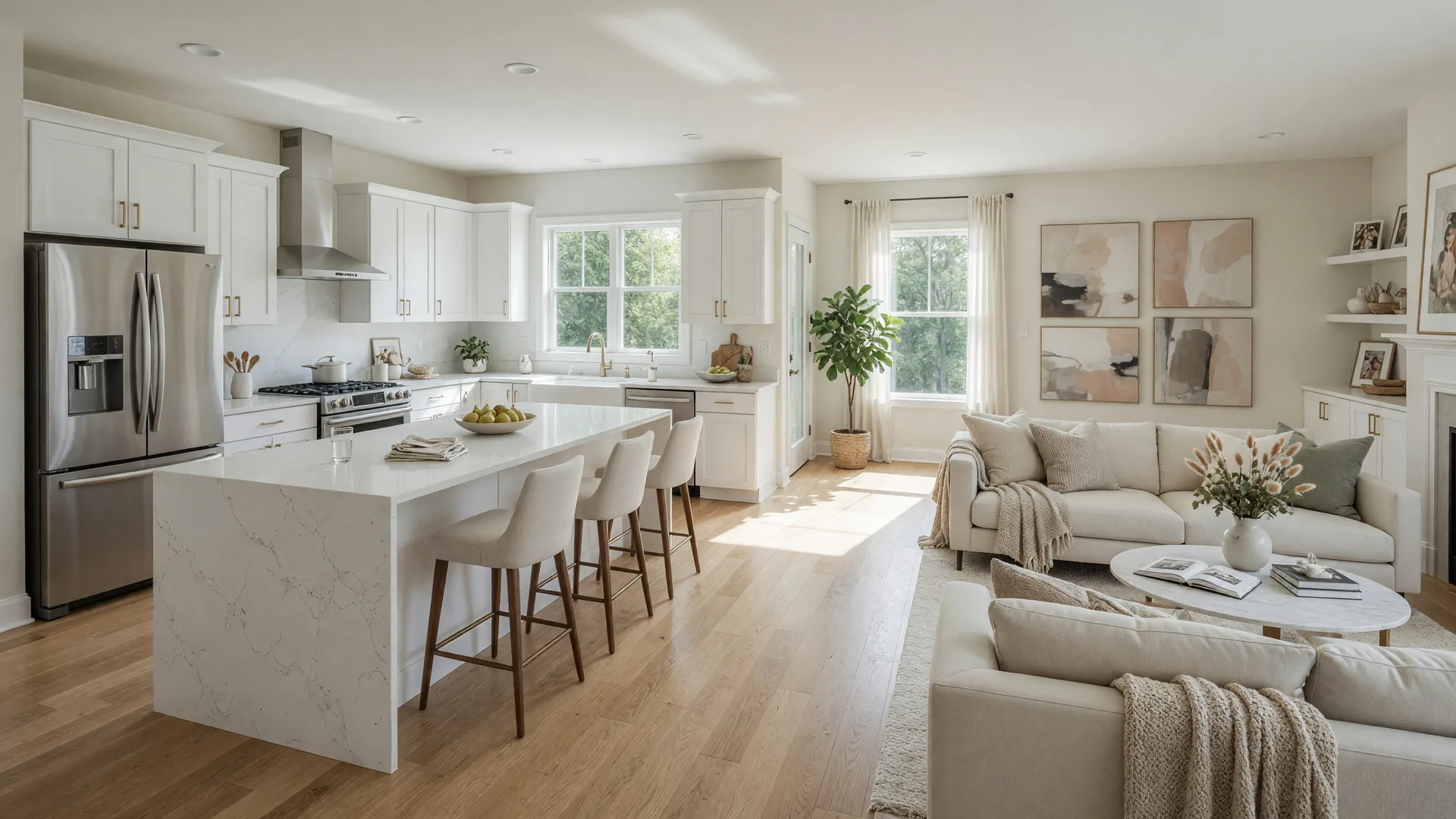
Model homes give buyers a preview of finishes and floor plans, but the actual home may differ in important ways.
The Builder-Representation Gap: Why You Need Your Own Agent
Here is the most important thing I tell every buyer considering new construction: the builder's on-site sales agent works for the builder, not for you. They are professional, knowledgeable, and often very helpful, but their job is to sell the builder's homes at the best possible price and terms. In Virginia, unless you have a signed buyer-representation agreement in place before you visit a builder's sales office, the builder's agent may not owe you any fiduciary duty at all.
This is a critical distinction. When you bring your own buyer's agent, that agent works exclusively for you. They negotiate on your behalf, review the builder's contract (which is heavily weighted in the builder's favor), flag costly upgrade markups, verify that promised features are included in writing, and walk you through the builders' structural warranty. I have seen too many buyers walk onto a builder's lot without representation and later realize they paid thousands more for their home than they needed to.
In many cases, the builder already includes the buyer's agent commission in the price of the home. That means bringing your own agent does not cost you anything extra. What it does cost you is the protection of having someone on your side of the table.
What to Watch for When Buying New Construction
Even experienced home buyers can stumble on the unique challenges of new construction. Here are the areas where I see buyers get tripped up most often:
Upgrade creep. The base price of a new home can be very attractive. But builders make their profit on upgrades. By the time you add the upgraded flooring, the premium countertops, the finished basement, and the enhanced trim package, your "affordable" new home can be $100,000 or more above the base price. Know your budget before you walk into the design center, and have your agent help you distinguish between upgrades that add lasting value and those that are purely cosmetic.
Lot premiums and orientation. A premium lot backing to trees or water can add $20,000 to $80,000 to the price of the same floor plan. Understand what you are paying for, and whether a standard lot in the same community might serve you just as well at a significantly lower price.
The builder's standard contract. Builders' purchase agreements are written by the builder's legal team and generally contain provisions that favor the builder. These may include the right to substitute materials, extend the closing date without penalty, or limit the warranty obligations. An experienced real estate attorney should review the contract before you sign, and your agent should negotiate for terms that protect you.
Timeline uncertainty. Builder completion dates are estimates, not guarantees. Delays due to material shortages, permit approvals, weather, or labor availability are common. If you are selling your current home to buy new construction, build significant contingency time into your plan. I typically advise clients to expect a one- to three-month delay beyond the builder's estimated completion date.
The final walk-through. This is your opportunity to identify any items that are incomplete, damaged, or not as specified in your contract. Walk through with a punch list in hand, and do not sign off until every item is addressed. Builders are generally good about fixing punch-list items, but you lose leverage once you close.
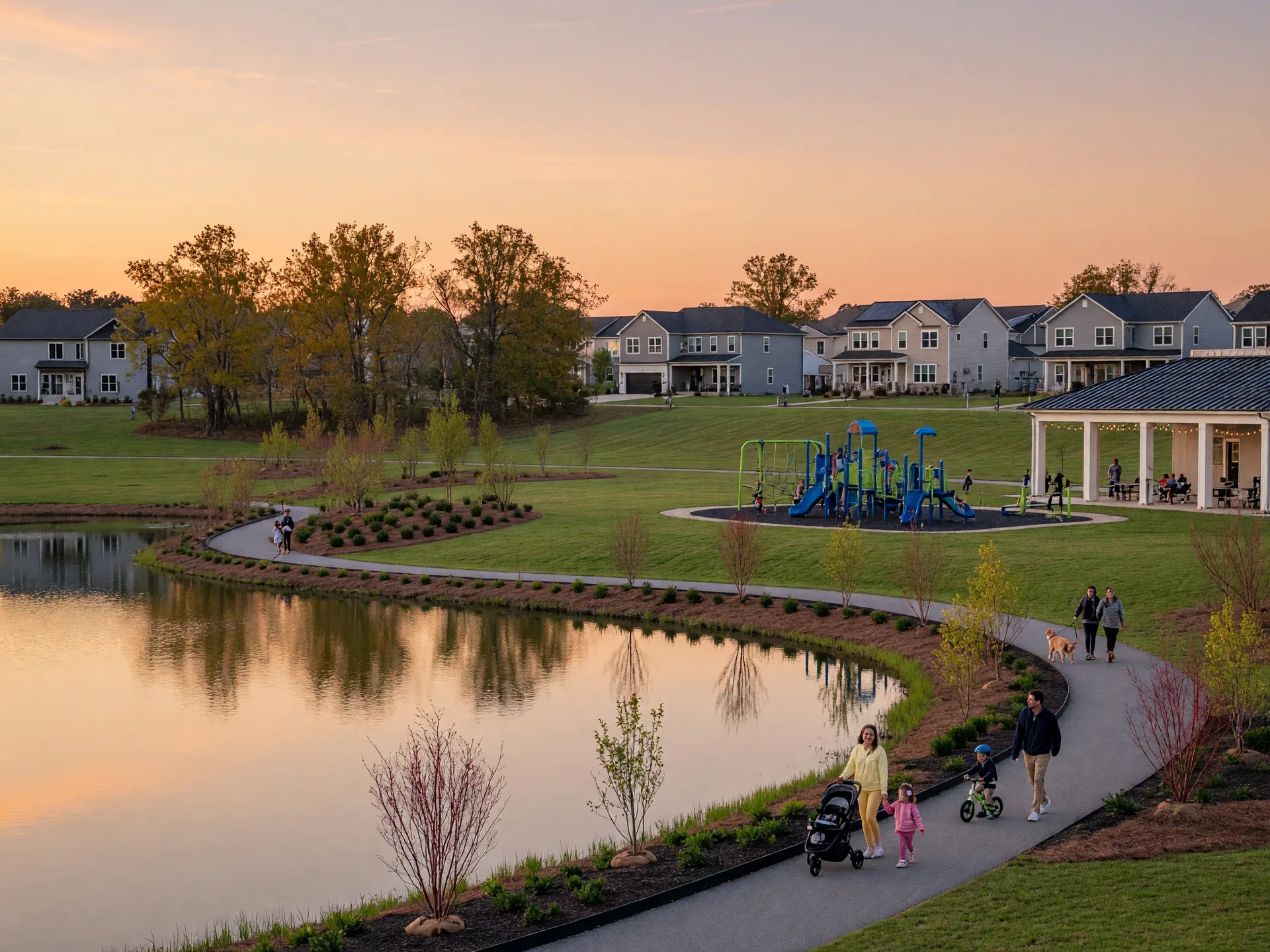
Many new construction communities include amenities like lakes, trails, and playgrounds that enhance everyday living.
The Financing Difference: Rate Locks and Builder Incentives
New construction financing has its own set of dynamics. Many major builders have preferred lender relationships and offer incentives for using their mortgage arm. These incentives can include closing cost credits, rate buy-downs, or even free upgrades. In a market where mortgage rates hover in the mid-6% range, a builder-bought rate buydown can save you hundreds of dollars per month.
That said, the builder's preferred lender is not always your best option. I recommend getting pre-approved by an independent lender as well, so you can compare the builder's offer against a competitive market rate. Some builders require you to use their lender to qualify for certain incentives, so read the fine print carefully before you commit.
One significant advantage of new construction for buyers is the extended timeline. While a conventional purchase typically closes in 30 to 45 days, a new construction home can take 6 to 12 months from contract to closing. That gives you time to lock in a rate when the timing is favorable, and some builders offer rate-lock programs that protect you if rates rise during construction.
Is New Construction Right for You?
New construction is not for everyone. It requires patience, tolerance for uncertainty, and careful attention to detail. But for buyers who want a home that no one has ever lived in, with modern energy efficiency, builder warranties, and the ability to choose finishes and floor plans, it can be the perfect path. In Prince William County, the variety of options — from riverfront luxury communities to commuter-friendly townhomes — means there is likely a new construction community that fits your lifestyle and budget.
If you are considering new construction, the most important step you can take is to talk to an experienced agent before you visit the builder's sales center. I have helped buyers navigate the new construction process across Prince William County for more than 25 years, and I know the communities, the builders, and the contracts inside and out. Let me help you make the right move.