How Much Earnest Money Do You Need to Buy a Home in Prince William County?

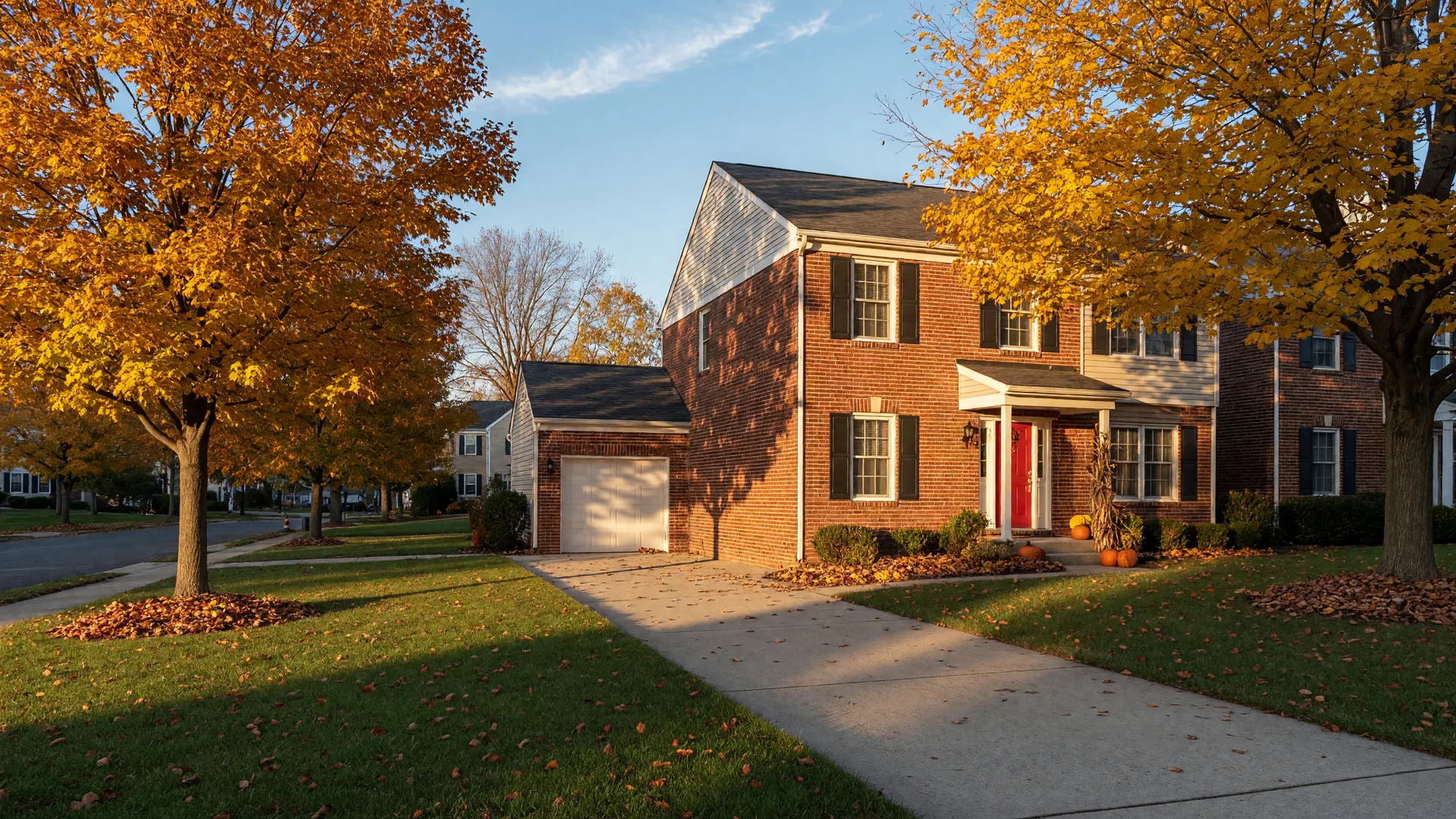
Most buyers in Prince William County put down earnest money equal to about 1% of the purchase price, with offers in competitive situations running 2% to 3%. On a home at the county's recent median of roughly $593,500, that is about $5,935 at 1% and up to $17,805 at 3%. The deposit is held in escrow, returned to you under the contract's contingencies, and credited toward your purchase at closing. Here is how earnest money works in Virginia and how to get the number right for your offer.
What Earnest Money Is and Why Sellers Care
Earnest money is a good-faith deposit that tells the seller you are serious about buying their home. It is not an extra cost: it is part of your purchase funds, set aside when your offer is accepted and applied to the price at settlement. In Virginia, an earnest money deposit is not legally required, but in practice sellers across Northern Virginia expect to see one with every offer, and a missing or unusually thin deposit can raise questions about how committed a buyer really is.
Think of it from the seller's side. When they accept your offer, they take the home off the market and stop showing it to other buyers. The deposit is the tangible proof that you intend to follow through. In a county like Prince William, where well-priced homes still attract multiple offers, the size of your deposit is one of the first things a listing agent notices when they compare bids side by side.
How Much Is Typical in Prince William County
Across Northern Virginia, the customary earnest money deposit is about 1% of the purchase price, with a common range of 1% to 3% depending on how competitive the market is. Many standard offers run 1% to 2%, and flat deposits of $2,000 to $10,000 are common on townhomes and lower-priced single-family homes. On higher-priced homes, deposits of $10,000 to $25,000 are not unusual, and in multiple-offer situations buyers often push to 3% or more to signal real commitment.
To make it concrete: at the Prince William County median of about $593,500, a 1% deposit is roughly $5,935, 2% is about $11,870, and 3% is about $17,805. A Manassas townhome in the mid-$400,000s might carry a flat deposit of $5,000 to $10,000, while a Lake Ridge single-family home near $700,000 would more commonly see $10,000 to $15,000. The right number is the one that looks serious without tying up more cash than you need, and a good local agent will tell you what the market in your price range actually expects.
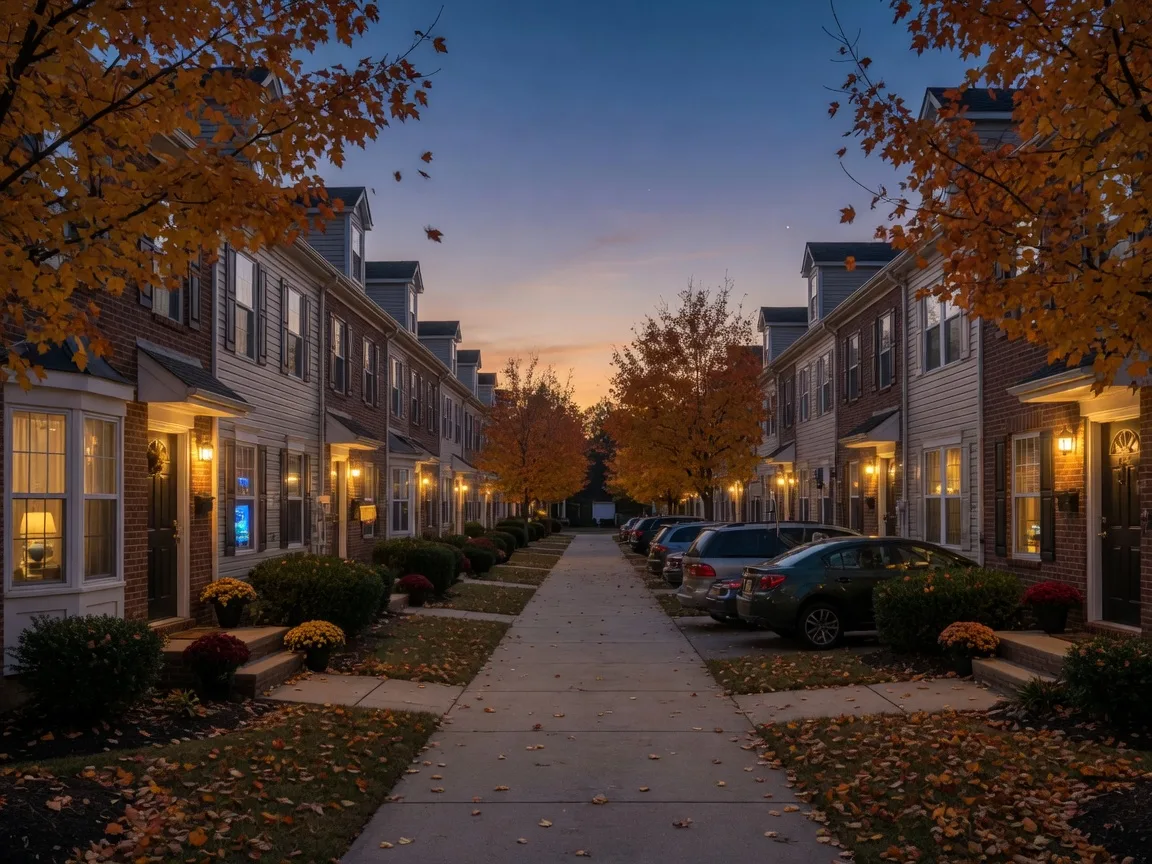
From Manassas townhomes to Lake Ridge single-family homes, deposit expectations track your price range.
When It's Due and Where It Goes
Virginia contracts are "time is of the essence," which means every deadline in the contract is binding. The deposit is typically due within one to three business days after the contract is ratified, which happens when both parties have signed and the seller accepts your offer. Missing that window can put the whole contract at risk, so your lender and agent should have your deposit strategy ready before you write the offer.
The money is paid to the escrow holder named in the contract, usually the listing broker's brokerage, a title or settlement company, or an attorney. It is never paid directly to the seller. Virginia law requires brokers to hold escrow funds in a separate account, so your money is protected while the transaction moves forward. At closing, the deposit is credited toward your purchase price, which means it reduces the cash you need to bring to settlement rather than adding a new expense.

Your earnest money is credited toward the purchase price at settlement, not lost to it.
When You Get It Back (and the One Payment You Won't)
The deposit is refundable under the terms of your contract. If the transaction falls apart for a covered reason, such as a failed home inspection, a low appraisal, or a financing contingency that cannot be satisfied, you and the seller typically sign a mutual release and the escrow holder returns your money. If you default without a valid reason, the seller may be entitled to keep the deposit as compensation for taking the home off the market. That is why contingencies matter, and why you should never waive them casually just to look strong.
One Virginia nuance worth knowing: the standard Virginia REALTORS contract does not include a separate "due diligence fee" the way some other states' contracts do. In competitive markets, some buyers strengthen their offer by adding a non-refundable amount paid directly to the seller, sometimes called due diligence money, which the seller keeps even if the deal falls through. It can help you win a multiple-offer situation, but it is real money you will not get back, so it should be a deliberate choice you make with your agent, never an accident buried in a counteroffer.
Smart Moves for Prince William County Buyers
If you are using a VA loan, the VA does not require an earnest money deposit, but sellers in this market generally expect to see one anyway, and offering 1% to 2% shows you are a prepared, motivated buyer. Your deposit is still fully refundable under the contract's contingencies, so there is no reason to hold back if you can fund it.
When it comes time to pay, protect yourself from wire fraud. Use the escrow holder's verified wiring instructions or a certified check, and confirm instructions by phone using a number you looked up yourself, never one that arrived by email. Wire fraud is one of the few ways a buyer can genuinely lose money in a Virginia transaction, and a five-minute phone call closes the door on it.
Finally, run every number past someone who knows the local market. The right deposit for a first-time buyer in Yorkshire is different from the right deposit for a move-up family in Gainesville, and the market shifts from month to month. I help clients in Prince William County and across Northern Virginia decide exactly what their offer should look like, from the deposit to the contingencies, before they ever sign.
Earnest money is one of the first real financial commitments you make as a buyer, and it should never be a source of anxiety. If you are thinking about buying in Prince William County, let us talk through your budget, your timeline, and what a strong offer looks like for the homes you are considering. I will make sure you understand every number before you sign, and I will be looking out for your best interests every step of the way, like family.