Prince William County to DC: Your Complete Commute Guide for 2026


If you are looking to buy a home in Prince William County, one question almost always comes up before any other: "What is the commute actually like to Washington, DC?" It is the question I hear from nearly every buyer I work with, whether they are looking at a colonial in Manassas, a townhome in Woodbridge, or a new construction in Gainesville. And it is a fair question. Your commute shapes your daily schedule, your quality of life, and your family's routine. Getting it right matters.
The honest answer is that Prince William County offers more commute options than almost any other part of Northern Virginia. You have the Virginia Railway Express (VRE), OmniRide express buses, I-66 and I-95 express lanes, slugging on the I-95 corridor, and even Amtrak service from Manassas and Woodbridge. The best choice depends on where you live, where you work, and what kind of trade-off you are willing to make between time, cost, and comfort.
Let me walk you through every option so you can make an informed decision before you buy.
Driving to DC: I-66, I-95, and the Express Lanes
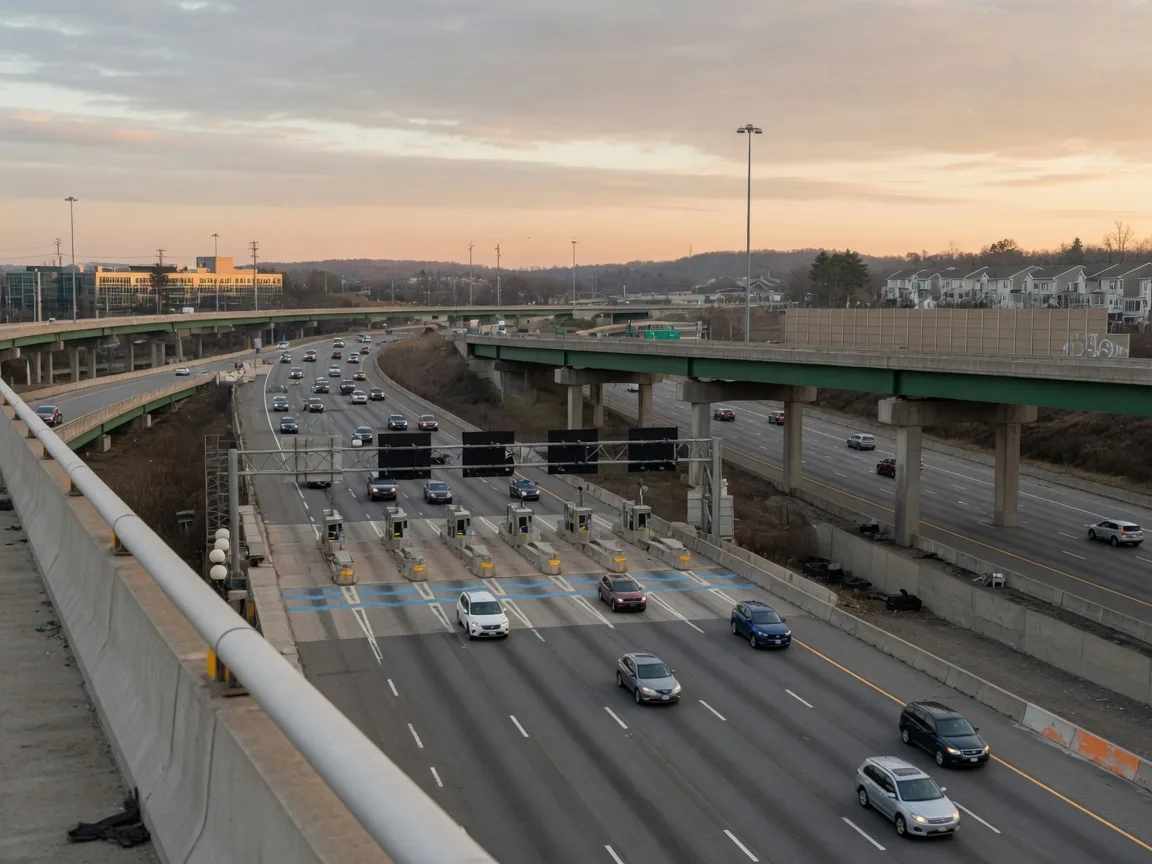
Driving is the most flexible option, but it comes with the most variables. From Manassas, a typical peak-hour drive to downtown DC via I-66 takes about 45 minutes to an hour on a good day. From Woodbridge via I-95 and I-395, expect anywhere from 60 to 90 minutes, and on bad days it can stretch closer to two hours. The difference between a smooth commute and a brutal one often comes down to the express lanes.
The I-66 express lanes run from the Capital Beltway (I-495) to Gainesville, with tolls that vary dynamically based on traffic. Solo drivers pay a variable toll, while HOV-2 (two or more occupants) travels at half price or free during certain hours. The same applies to the I-95 express lanes, which run from the I-495 interchange south to Garrisonville Road in Stafford County. Both sets of express lanes give you a predictable, faster trip if you are willing to pay for it.
For buyers coming from Gainesville or Haymarket, the I-66 express lanes are a game changer. A trip that could take over an hour on the regular lanes during peak rush can be cut to 30 to 40 minutes in the express lanes. The trade-off is the cost. Depending on the time of day and traffic volume, a one-way trip on the I-66 express lanes can run anywhere from $4 to $12 or more. Regular commuters should budget for this as a recurring monthly expense.
VRE Commuter Rail: The Most Predictable Option
For commuters who value predictability over flexibility, the Virginia Railway Express is hard to beat. VRE serves Prince William County on two lines. The Manassas Line stops at Broad Run, Manassas, and Manassas Park, all in Zone 6. The Fredericksburg Line stops at Woodbridge in eastern Prince William County. Both lines run to Washington, DC's Union Station, operating Monday through Friday during peak rush hours only.
The Manassas Line is the most convenient option for buyers in Manassas, Manassas Park, and Bristow. As of early 2026, four northbound trains depart Broad Run station in the morning at 5:21 AM, 6:16 AM, 7:21 AM, and 8:01 AM. The ride from Manassas to Union Station takes approximately 58 to 79 minutes, depending on the specific train. The Fredericksburg Line from Woodbridge takes about 51 to 54 minutes to reach Union Station, making it one of the fastest rail options in the region.
Fares are set by zone. A Zone 6 single ride (Manassas or Woodbridge to DC) is $10.50, and a monthly pass runs about $291 as of mid-2026. VRE updated its fare chart on July 1, 2026, so riders should check vre.org for the latest pricing. Compared to driving and parking in DC, the monthly pass often pays for itself, especially when you factor in tolls, gas, and parking costs that can easily exceed $400 to $600 per month.
One of the biggest advantages of VRE is the quality of the ride itself. Trains have comfortable seating, WiFi, and quiet cars for working during the commute. Many riders tell me they use their VRE time to catch up on email, read, or even take a short nap. That 60 minutes of productive or restful time is a significant quality-of-life upgrade over 90 minutes of stressful stop-and-go driving.
OmniRide Express Buses: Flexibility Without the Wheel
OmniRide is another excellent option, especially for buyers in eastern Prince William County. The OmniRide express bus network connects Woodbridge, Dale City, and Lake Ridge to downtown DC, the Pentagon, and other employment centers. A trip from Woodbridge to DC by express bus takes about 48 minutes, which is competitive with both VRE and driving.
Western Prince William County is also served by OmniRide express routes from Gainesville and Manassas to downtown DC and the Pentagon. A monthly unlimited pass costs $285, and individual fares on I-66 routes run about $5.50 per ride. The buses use the express lanes, so the trip is generally reliable even during peak hours. Buses are equipped with WiFi, comfortable seating, and bike racks.
OmniRide also operates Metro Express routes that connect to Metrorail stations, giving commuters a hybrid option. You can take an express bus to a Metro station and then ride the rail system to your final destination. SmarTrip cards are accepted across the entire OmniRide and Metrorail network, making transfers seamless.
Slugging: The Free Carpooling Tradition
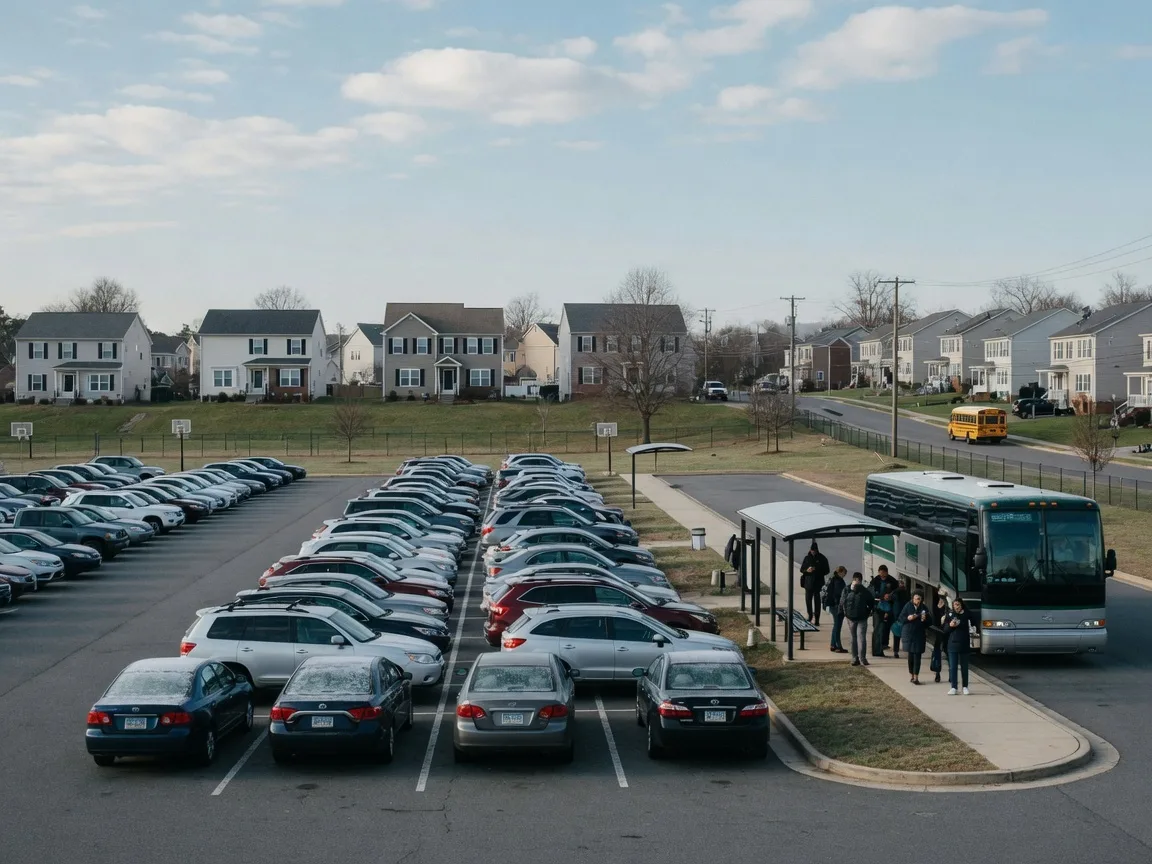
Slugging is a unique Northern Virginia tradition that saves commuters time and money. The concept is simple: drivers heading to DC pick up passengers (called slugs) at designated slug lines, and the extra riders qualify the car for HOV-2 or HOV-3 access to the express lanes. The ride is free for the slug, and the driver gets to use the faster lanes at no cost.
Slugging is most active on the I-95 corridor, with well-established slug lines in Woodbridge, Dale City, and Stafford. It is a self-organizing system that has been running for decades, and it works remarkably well. However, it is important to know that slugging is not available on the I-66 corridor. If you are buying in Manassas or Gainesville, the I-66 express lanes require a toll or a valid E-ZPass for HOV access, so slugging is not an option on that side of the county.
For buyers considering Woodbridge or other eastern Prince William County communities, slugging can be a viable option that saves hundreds of dollars per month. The key is living close enough to a slug line that you can walk or make a short drive to the pickup point.
Amtrak, Megabus, and Other Alternatives
Amtrak's Northeast Regional service stops at both Manassas and Woodbridge, with a travel time of about 51 to 58 minutes to Union Station. It is more expensive than VRE or OmniRide, but it runs more frequently and offers a premium experience. For the occasional commuter or someone who needs an earlier or later train than VRE provides, Amtrak is a solid backup option.
Megabus also serves Gainesville, with a trip to DC taking about an hour and 15 minutes, with fares starting around $22. It is a budget-friendly option for occasional commuters or anyone who wants to avoid driving into the city.
And of course, remote work has changed the calculation for many families. Even two or three days a week in the office instead of five changes the cost-benefit equation dramatically. A family that only needs to commute two days a week may find that a slightly longer, more scenic drive or a less frequent VRE ticket is a perfectly acceptable trade-off for a larger home, a better school district, or a quieter neighborhood.
How Commute Options Affect Home Values in Prince William County
One thing I have seen consistently over my 25 years in this market: commute access is one of the strongest drivers of home value appreciation in Prince William County. Neighborhoods within walking distance of a VRE station, or those with convenient access to an OmniRide express route or the I-66 express lanes, consistently outperform areas that require a long drive to a transit connection.
This is especially true in Manassas and Woodbridge, where VRE-adjacent neighborhoods tend to attract a premium from buyers who work in DC. In Gainesville, proximity to the I-66 express lanes and the Broad Run VRE station makes communities like Dominion Valley Country Club and Piedmont particularly desirable for commuters. In eastern Prince William County, neighborhoods near the Woodbridge VRE station and OmniRide slug lines hold their value well even during market downturns.
When you are shopping for a home, I recommend mapping out your commute options before you fall in love with a property. Check the VRE schedule from the nearest station. Drive the route during peak hours at least once. Try the express bus if that is an option you would use. A 15-minute walk to a VRE station can be worth more than a beautiful kitchen when you are looking at your long-term quality of life.
Making the Right Choice for Your Family
There is no single right answer when it comes to commuting from Prince William County. What works for a single professional commuting to the Pentagon five days a week is different from what works for a remote-working parent who goes into the office twice a month. The key is understanding your options and choosing a home that aligns with your actual commute patterns, not the ones you wish you had.
Prince William County offers more variety in commute options than any other part of Northern Virginia. Whether you choose VRE, OmniRide, the express lanes, slugging, or a mix of all of them, you can build a commute that works for your life. And that flexibility is one of the reasons so many families choose to call this area home.
If you are thinking about buying a home in Prince William County and want to understand how commute options fit into your decision, I would love to help. I have helped hundreds of families find the right home in the right location for their lifestyle, and I can do the same for you.