Selling an Inherited Property in Prince William County: A Complete FAQ Guide

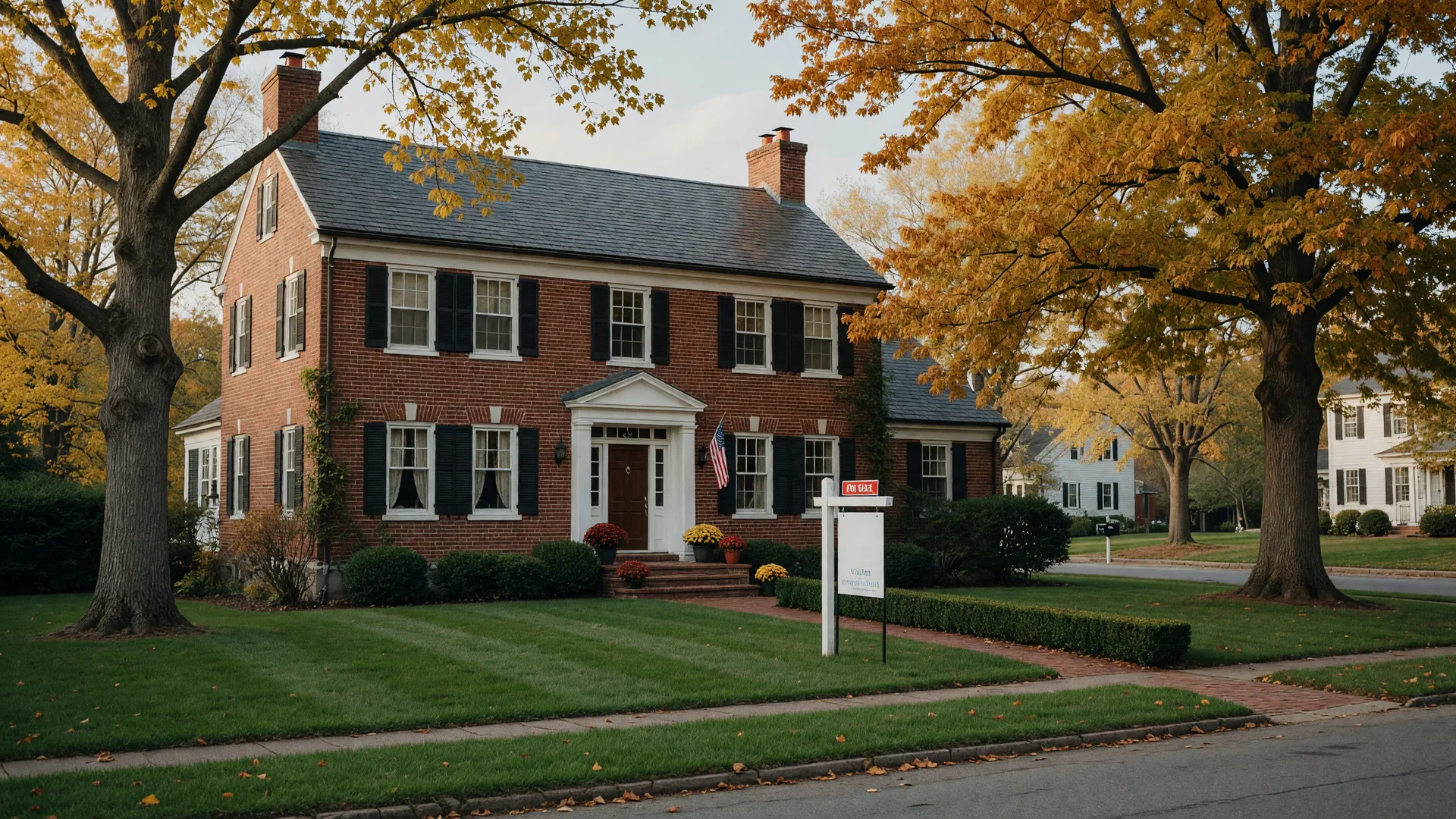
If you have recently inherited a home in Prince William County, you are likely navigating a mix of emotions and practical questions. The property may hold decades of family memories, but it also comes with legal deadlines, tax considerations, and financial decisions that can feel overwhelming. This guide answers the most common questions heirs ask when selling an inherited property in Prince William County, Manassas, and the surrounding areas.
My goal is to help you move from confusion to clarity so you can make informed decisions about your family's legacy with confidence.

Do I Have to Go Through Probate to Sell an Inherited Home in Virginia?
In most cases, yes. Unless the property was held in a living trust, held in joint tenancy with right of survivorship, or transferred through a Transfer-on-Death deed, the estate must go through probate in the Prince William County Circuit Court before the property can be sold. The probate process officially appoints a personal representative (executor) who has the legal authority to list and sign documents on behalf of the estate.
The first step is filing the will and a petition with the Clerk of the Circuit Court at the Prince William County Courthouse in Manassas. Once the court qualifies the personal representative, a certificate of qualification is issued, and you can begin the process of managing and eventually selling the property. The entire probate process typically takes 6 to 12 months for a straightforward estate, though it can extend longer if there are disputes among heirs or complex debts to settle.
How Does the Stepped-Up Basis Work, and Will I Owe Capital Gains Tax?
This is one of the most important tax advantages available to heirs. Under federal tax law, when you inherit a property, its cost basis is "stepped up" to the property's fair market value on the date of the original owner's death. This means you only pay capital gains tax on any appreciation that occurs after you inherit the property, not the full lifetime gain that may have accumulated over decades.
For example, if your parents bought their Manassas home in 1995 for $180,000 and it is worth $550,000 at the date of death, your stepped-up basis becomes $550,000. If you sell it soon after for $560,000, you owe capital gains tax only on the $10,000 of appreciation during your ownership. Virginia treats capital gains as ordinary income, taxed at up to 5.75%. Getting a professional date-of-death appraisal is essential to establish a defensible stepped-up basis with the IRS.
Virginia does not have a state inheritance tax or estate tax, providing additional relief for heirs. The federal estate tax only applies to estates exceeding roughly $14 million, so most families in Prince William County will not face it.
What Are the Common Challenges When Selling an Inherited Home in PWC?
Selling an inherited property involves more than just putting a sign on the lawn. Some of the most common challenges include:
- Getting legal authority to act. You cannot list or sign contracts until the court appoints a personal representative. This process takes time and legal coordination.
- Coordinating among multiple heirs. If the property is split among siblings or other family members, you will need agreement on pricing, timing, and whether to sell as-is or make improvements.
- Handling the property in the meantime. An empty home needs maintenance, insurance, and utilities — carrying costs that add up quickly while the estate is in probate.
- Navigating creditor claims. Virginia gives creditors four months from the date the personal representative qualifies to file claims against the estate. You must be prepared to address any outstanding debts or liens on the property.
How Should I Prepare the Property for Sale?
Every inherited property is different. Some are well-maintained and ready to list, while others may need significant cleaning, repairs, or estate clearing. Here are a few steps that make a difference in Prince William County's market:
- Declutter and clear personal items. Removing decades of personal belongings helps buyers see the home's potential rather than its history.
- Invest in a pre-listing home inspection. This gives you a clear picture of needed repairs and helps you decide whether to address them upfront or adjust the price accordingly.
- Stage key rooms. Even light staging in the living room, primary bedroom, and kitchen can help the home present better in listing photos and showings.
- Price it right from day one. An inherited property that sits on the market too long can scare off buyers. Setting a realistic, data-backed price from the start is critical.
Prince William County's market has been seeing steady demand, with homes in well-located neighborhoods — close to VRE stations, good schools, and shopping — typically receiving strong interest when priced correctly.
Can I Sell the Home as a Personal Representative Before Probate Is Complete?
Yes, in many cases you can begin preparing the property for sale while probate is ongoing, but you generally cannot sign the final deed of sale until the court has issued the personal representative's qualification and, depending on the will's language and the estate's complexity, the court has authorized the sale. Some wills grant the personal representative a "power of sale" that simplifies this process. When in doubt, work with both a real estate attorney and your listing agent to ensure every document is properly authorized.
The Prince William County Circuit Court's probate division provides resources online and in person at the courthouse. Working with an experienced local probate attorney can help you avoid missteps that could delay the sale by months.
What Should I Look For in a Real Estate Agent for an Estate Sale?
Selling an inherited home is different from a standard sale. You want an agent who understands probate timelines, can coordinate with attorneys and the court, and knows the Prince William County market intimately. Look for someone who:
- Has experience with estate and probate transactions
- Can provide a realistic, data-backed pricing strategy based on recent comparable sales in your specific neighborhood
- Is comfortable communicating with multiple heirs and keeping everyone informed
- Can recommend trusted contractors for cleaning, repairs, staging, and estate clearing services
- Understands the unique emotional dynamics of selling a family home
With 25 years of experience helping Prince William County families navigate complex real estate transitions, I have guided many heirs through the process of selling inherited homes in communities like Manassas, Gainesville, Bristow, Woodbridge, and Lake Ridge. My approach is to be a calm, informed guide — protecting your interests while making a difficult process as straightforward as possible.
Key Timeline: From Inheritance to Closing
While every situation is unique, here is a general timeline for selling an inherited property in Prince William County:
- Within 30 days of death: File the will and petition for probate at the PWC Circuit Court
- 1 to 3 months: Qualify as personal representative; notify heirs and creditors
- 4 to 6 months: Obtain date-of-death appraisal; prepare the property for sale; creditor claims period closes
- 6 to 9 months: List and market the property; negotiate offers; obtain court approval for the sale if required
- 7 to 12 months: Close the sale; distribute proceeds to heirs per the will or intestacy laws
This timeline can accelerate significantly if the property is in a living trust or if the heirs are aligned and ready to move quickly.